Top Billing, Then Gone: The Uncomfortable Truth About the Festival Headliner Spotlight
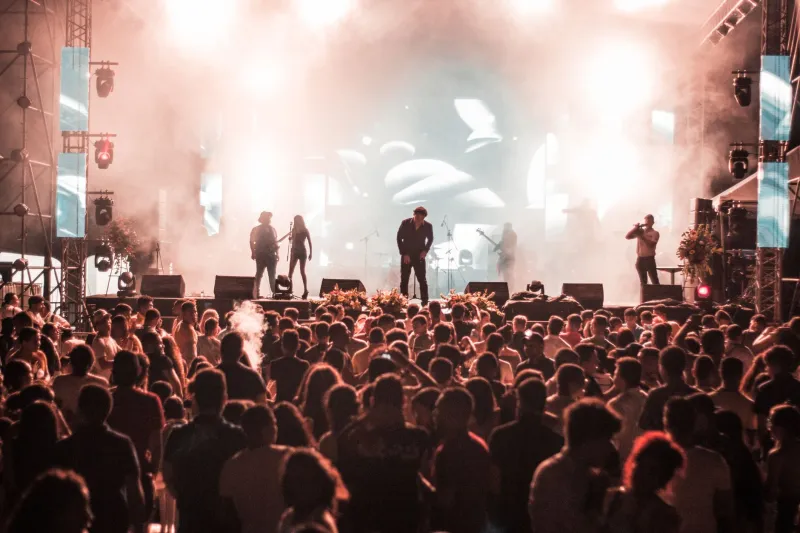
Every spring, when the festival season poster drops and the font sizes tell you everything you need to know about the industry's current hierarchy, there's a ritual that plays out across rock fan forums and group chats across America. People zoom in. They argue about who deserves to be where. And inevitably, someone points to the name at the very top and says, "They're going to crush it."
Sometimes they do. But sometimes — more often than the industry likes to admit — that headliner slot marks the beginning of the end rather than the peak of something lasting. Call it the festival headliner curse. It's real, it's uncomfortable, and it's worth talking about honestly.
The Crown That Can Suffocate
Let's establish something first: headlining a major US rock festival is genuinely extraordinary. We're talking about standing on a stage in front of tens of thousands of people, your name at the top of a lineup that cost millions to assemble. It's validation. It's legacy. It's the kind of thing that ends up in band documentaries.
But here's the problem. That level of exposure comes with a weight that not every act is built to carry. The pressure to deliver a career-defining set — to justify that top billing in front of a crowd that includes plenty of skeptics — can be creatively and emotionally brutal. And when bands start making decisions based on what a headlining set needs rather than what their music naturally is, things can go sideways fast.
Think about the trajectory of bands like Muse, who headlined major US festivals in the early 2010s at what felt like the absolute height of their powers. The years that followed saw the band chasing an ever-grander sonic spectacle, and for a significant portion of their American fanbase, the music started to feel more like a production than a passion project. The headliner moment didn't cause that shift, but it arguably accelerated it.
 Photo: Muse, via dailymagazine.ro
The Premature Crowning Problem
Here's where I want to put some of the responsibility squarely on festival organizers, because they don't get examined critically enough in this conversation.
The economics of festival booking are brutal and competitive. Organizers need names that sell tickets, and when a band is riding a wave of critical buzz and streaming momentum, the temptation to throw them into the top slot is understandable. But "hot right now" and "ready to headline" are not the same thing, and confusing the two has consequences.
Consider the case of Imagine Dragons, who found themselves headlining major festival stages at a point in their career where the catalog, while enormously popular, hadn't yet developed the depth that typically sustains a two-hour headlining set. The backlash from rock purists was swift and, frankly, louder than it needed to be — but it wasn't entirely baseless. The band hadn't been given the time to grow into that role organically before the industry decided they were ready for it.
 Photo: Imagine Dragons, via discussions.apple.com
This pattern repeats itself regularly. A band breaks through with a debut or sophomore record that catches fire. Festival bookers, sensing momentum, leap. The band accepts because — why wouldn't they? — and suddenly they're standing at the top of the poster before they've had the chance to build the kind of deep, loyal fanbase that sustains careers through the inevitable slow periods.
The Commercial Hangover
There's also a commercial reality to the post-headliner slump that doesn't get discussed enough. When a band headlines a major festival, the industry's expectations recalibrate immediately. The next album has to match or exceed whatever momentum put them on that stage. Label pressure intensifies. Radio formats demand something more accessible. Touring budgets balloon to match the new perceived status.
All of that can push a band away from the creative instincts that made them interesting in the first place. And when the follow-up record underperforms relative to the inflated expectations — not necessarily in absolute terms, but relative to the hype — the narrative shifts from "rising force in rock" to "whatever happened to..." with alarming speed.
Linkin Park's trajectory in the years following their massive festival presence in the mid-2000s illustrated this tension painfully clearly. The pressure to evolve commercially while maintaining rock credibility created a creative tug-of-war that frustrated longtime fans even as the band continued to fill arenas. The headliner spotlight didn't create that tension, but it certainly turned up the heat.
Are Some Bands Just Built Different?
To be fair, plenty of acts have worn the headliner crown without crumbling under its weight. Foo Fighters turned festival headlining into an art form, returning to the top of posters year after year with the kind of reliable, joyful energy that made each appearance feel earned rather than entitled. Pearl Jam has done the same. These bands share something important: they'd built their foundations slowly, on their own terms, before the festival world decided they were ready.
 Photo: Foo Fighters, via www.germania99.de
That suggests the curse isn't inevitable — it's a risk that's significantly higher when the timing is off. When a band headlined before they were truly ready, or when the industry's appetite for a fresh face outpaced the band's own development, the spotlight can feel less like a gift and more like a trap.
So What's the Fix?
I'm not naive enough to think festival organizers are going to start passing on buzzy, ticket-selling acts in the name of long-term artist development. That's not how this business works. But there are some things worth pushing for.
Festival bookers could be more deliberate about nurturing acts through the lineup tiers before handing them the top slot. Let a band prove themselves on the second stage for a year or two. Let them build the live reputation that makes a headlining set feel inevitable rather than premature. The payoff — for the festival's credibility and the band's longevity — is worth the patience.
And for the bands themselves? Maybe the lesson is to be a little more careful about what you wish for. The headliner slot will still be there when you're ready. And if you're truly ready for it, it'll feel like coming home rather than jumping off a cliff.
The festival stage is one of rock music's most sacred spaces. The artists who treat it that way — who arrive prepared, who've put in the years, who understand that the crowd at their feet has seen a lot of shows and can tell the difference — those are the ones who leave the stage with their legacy intact.
Everyone else risks becoming a cautionary tale on a very public stage.
And in the age of social media, those cautionary tales spread fast.