Betting on the Unknown: 8 Rock Festivals That Are Building Their Future Around Emerging Artists
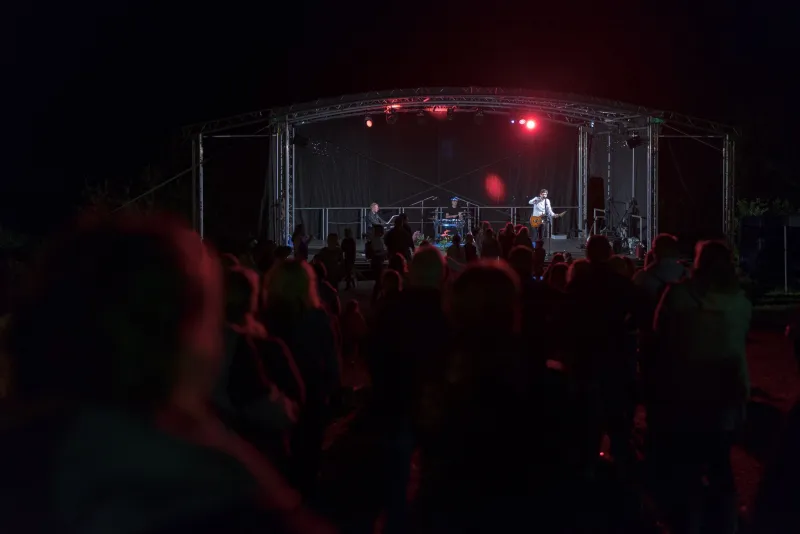
There's a moment every seasoned festival-goer knows. You're standing at the second stage, cold beer in hand, half-killing time before the headliner. The band that walks out looks like they drove twelve hours in a van with a busted AC. Nobody around you seems to know their name. And then they absolutely destroy the place.
That moment — messy, electric, unpredictable — is exactly what a growing number of US rock festivals are now engineering on purpose. Tired of lineups that feel like a streaming algorithm made them, organizers are restructuring their booking strategies to put real money and real stage time behind artists most of their audience hasn't heard of yet. It's a gamble. And it's working.
Why Festivals Are Rethinking the Headliner-Heavy Formula
For most of the 2010s, the festival business leaned hard into the familiar. Big name at the top, a cluster of mid-tier legacy acts in the middle, and a handful of filler slots at the bottom. Ticket sales were predictable, sponsorships were easy to land, and nobody had to take a chance on anything uncomfortable.
But audience fatigue started setting in. Surveys from the live events industry — including data from Pollstar and the National Independent Venue Association — have consistently shown that a significant portion of festivalgoers in the 25-40 demographic are actively seeking discovery, not just confirmation of what they already love. One 2023 report found that nearly 44% of rock festival attendees said they'd be more loyal to a festival that introduced them to an artist they went on to follow long-term.
That's not a soft metric. That's a retention strategy.
The Festivals Leading the Charge
Levitation (Austin, TX) has been doing this longer than most want to admit. The Austin-based psychedelic rock gathering has built its entire brand identity around discovery. Levitation doesn't just book emerging acts — it treats them as the ideological core of the event. Unknown bands from the Pacific Northwest, the UK, and South America share bills with cult legends, and the audience comes specifically because they trust the curators. The festival's booking team has a documented track record: artists like King Gizzard & the Lizard Wizard and Mdou Moctar both passed through Levitation's smaller stages before becoming internationally recognized names.
Furnace Fest (Birmingham, AL) is another standout. Focused on heavy music — hardcore, metal, noise rock — Furnace has made a deliberate habit of mixing legendary underground acts with bands that are, frankly, still figuring out their van situation. The result is a community-driven atmosphere where discovery feels like a shared experience rather than a passive one.
 Photo: Furnace Fest, via i5.walmartimages.com
Desert Daze (Lake Perris, CA) operates on a similar philosophy. Organizers there have openly talked about their booking process as curatorial rather than commercial — they're building a lineup the way a record store owner builds a recommendation wall, not the way a radio station builds a playlist.
 Photo: Desert Daze, via www.wallpapers13.com
Psycho Las Vegas deserves mention here too. While it leans heavier and darker than most, it's made a consistent habit of slotting genuinely unknown doom, sludge, and black metal acts into its programming alongside household names in the genre. And those unknown acts consistently generate the most conversation on social media after the event.
Hopscotch Music Festival (Raleigh, NC) takes an almost academic approach to emerging artist curation. The team publishes their booking rationale, talks openly about which artists they're watching, and creates programming tracks that essentially function as a guided listening journey for curious fans.
Rounding out the list, Treefort Music Fest (Boise, ID), Pygmalion Festival (Champaign, IL), and High Sierra Music Festival (Quincy, CA) have all made emerging artist development a structural part of how they operate — not a marketing footnote, but an actual booking commitment with dedicated stage resources.
The Financial Reality Behind the Risk
Let's be honest about the math for a second. Booking an unknown act is cheap. An unsigned band playing their third festival might cost a few hundred dollars in hospitality and a modest guarantee. A legacy headliner costs hundreds of thousands. So on paper, filling your lower slots with emerging artists is financially sensible.
But the real risk isn't the fee — it's the audience bet. If the emerging acts don't connect, the festival's reputation for curation takes a hit. Fans who came for discovery and got boredom won't come back. So festivals that do this well aren't just booking cheap — they're booking smart. They're sending scouts to local shows, monitoring streaming data, reading the underground press, and building relationships with artist managers years before a band is ready for a festival slot.
That's a genuine investment of time and expertise, and the festivals doing it best treat their booking teams like editorial directors, not just logistics managers.
When the Opener Steals the Weekend
The success stories are real and they're stacking up. At Levitation 2022, a relatively unknown Chicago-based experimental rock outfit was slotted into an afternoon time slot on a secondary stage. By the time their set ended, the crowd had tripled in size and the band's Bandcamp saw a 3,000% spike in traffic over the following 48 hours. The headliner that night was great. But the conversation on Monday morning was about the opener.
This is the outcome festival organizers are chasing — not just filling a slot, but creating a genuine cultural moment that fans feel ownership over. There's something deeply satisfying about being in the crowd when nobody knows who's about to blow the roof off. It's the festival equivalent of finding a record in a dollar bin that changes your life.
What This Means for You as a Fan
If you've been feeling like festival lineups are getting stale — same names, same sets, same experience — the answer might be to look harder at the bottom of the bill. The festivals listed above are investing real energy into those slots, and the payoff for curious fans is enormous.
Show up early. Hit the second stage. Give the band you've never heard of thirty minutes of your undivided attention. The headliner will still be there. But that unknown act? They might only be unknown for about fifteen more minutes.
And that's exactly the point.