Strings, Stacks, and Sweat: The Iconic Gear That Powered Rock's Greatest Festival Moments
Strings, Stacks, and Sweat: The Iconic Gear That Powered Rock's Greatest Festival Moments
The lights go down. The crowd roars. And somewhere backstage, a guitar tech is doing one final tuning check on an instrument that's older than most of the people in the audience. This is the part of rock festival history that doesn't make it onto the highlight reels — the gear, the rigs, and the relentless human effort that transforms a set of wooden stages in a field into a sonic experience nobody ever forgets.
From Woodstock's legendary sound challenges to the precision-engineered stage setups of modern Lollapalooza, the equipment behind rock's greatest festival performances is its own kind of story. Part technical manual, part mythology, and entirely rock and roll.
Woodstock and the Birth of Festival-Scale Sound
Before Woodstock, nobody had really tried to deliver concert-quality sound to half a million people in an open field. The 1969 festival didn't just change rock culture — it forced an entire rethinking of what live audio could be.
The Hanley Sound system deployed at Yasgur's Farm was a patchwork marvel of ambition and improvisation. Bill Hanley, often called the father of festival sound, built a rig that was essentially unprecedented in scale, stringing speaker towers across the field in an attempt to create something approaching even coverage. It wasn't perfect — anyone who's seen the documentary footage knows the sound varied wildly depending on where you were standing — but it established the template that every major festival since has refined.
 Photo: Yasgur's Farm, via is1-ssl.mzstatic.com
The guitar tones that came through that system, from Hendrix's Star-Spangled Banner to Santana's percussion-driven revelations, were shaped as much by the limitations and quirks of the equipment as by the musicians themselves. Hendrix's white Fender Stratocaster — now one of the most famous instruments in rock history — ran through a stack of Marshall amplifiers that pushed the boundaries of what those amps were designed to handle. The result was a sound that nobody had heard before and that nobody has quite replicated since.
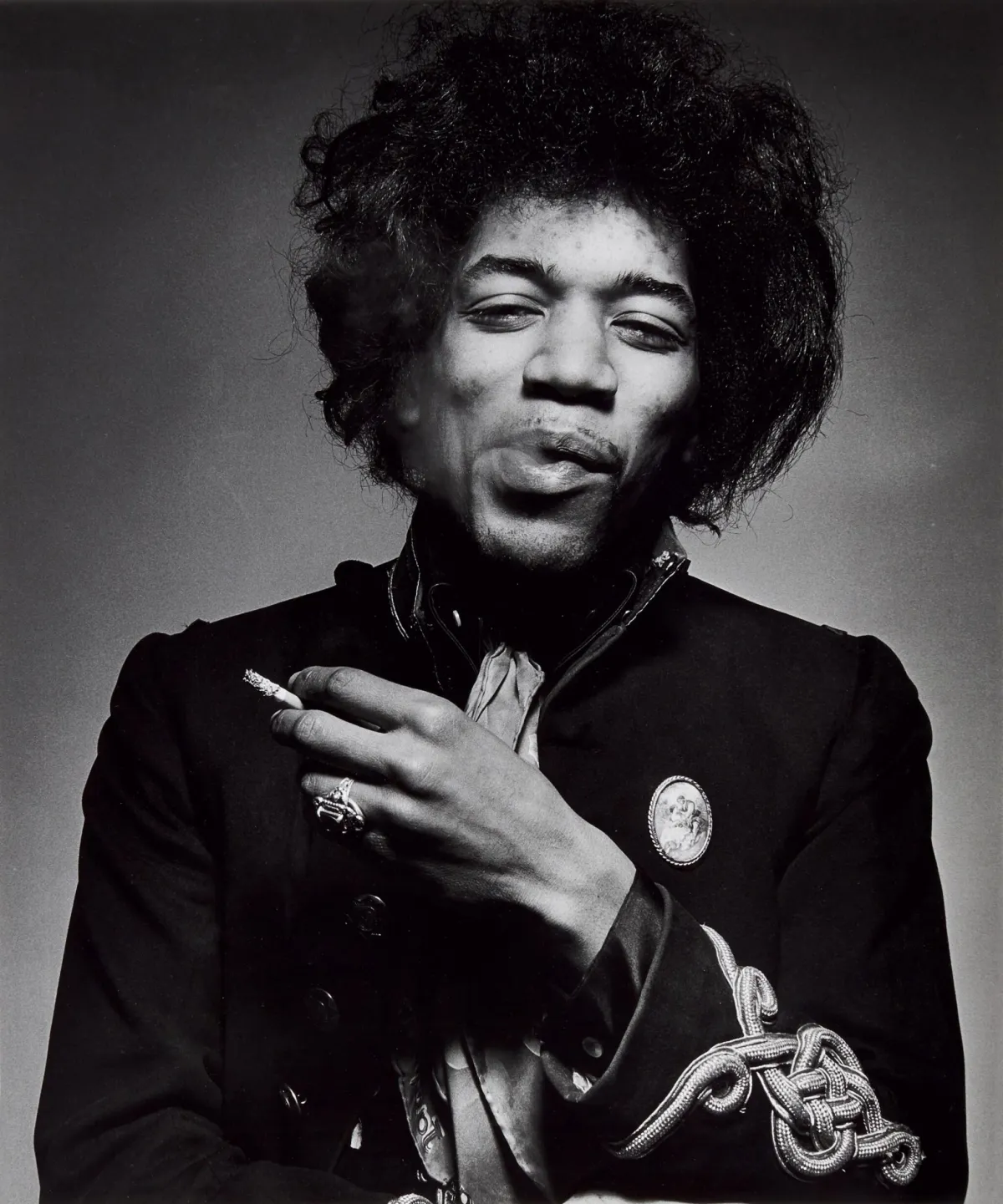 Photo: Jimi Hendrix, via sothebys-md.brightspotcdn.com
The Vintage Obsession: Why Old Gear Still Rules
Walk backstage at almost any major rock festival today and you'll find equipment that costs more than most people's cars sitting next to gear that was manufactured before the headliner was born. The vintage obsession in rock is real, and it's not nostalgia — it's tone.
Pre-CBS Fender Stratocasters and Telecasters from the late 1950s and early 1960s are prized for the way they respond to a player's touch. The wood has aged, the electronics have settled, and the result is an instrument that feels and sounds different from anything coming off a modern production line. Similarly, vintage Marshall and Vox amplifiers from the same era have a harmonic character — a warmth in the clean sounds, a specific kind of crunch when pushed — that modern reproductions approximate but rarely match.
For working musicians who tour the festival circuit, the calculus gets complicated. Vintage instruments are irreplaceable and valuable, which makes taking them into muddy fields and variable weather conditions a genuine risk. Many artists travel with both — a precious vintage piece for the moments that matter most, and a high-quality modern backup for when the stage gets wet or the humidity climbs.
The Road Crew: Rock's Unsung Heroes
Here's the thing about a million-dollar guitar rig: it means absolutely nothing if it doesn't work when the show starts. And keeping gear functional across a summer festival circuit — with its brutal combination of heat, humidity, rough transport, and compressed setup timelines — is a feat of endurance and expertise that deserves far more recognition than it typically gets.
A seasoned guitar tech on a major festival tour will re-string every instrument before every show, check every cable connection, and maintain a mental map of every quirk and preference that a particular artist has developed over years of touring together. They know which guitar goes slightly sharp in hot weather. They know which amp needs a few extra minutes to warm up properly. And they know how to diagnose and fix a problem in the three minutes between a sound check and a performance without breaking a sweat.
Drum techs operate on a similarly demanding schedule. A full professional drum kit at the festival level involves dozens of components — shells, hardware, cymbals, electronics — all of which need to be tuned, positioned, and checked to exact specifications before every set. For festivals with back-to-back acts on the same stage, the changeover window can be as short as 20 minutes. The choreography required to strike one band's kit and set up another's in that timeframe is genuinely impressive to watch.
Signature Setups Worth Spotting
For fans who want to go deeper than the music, watching what's actually on a festival stage is its own kind of entertainment. A few things worth looking for:
Pedalboards have become increasingly complex and personal over the decades. A guitarist's pedal chain — the sequence of effects boxes between the guitar and the amp — is essentially a fingerprint. Some artists run simple, minimal setups that prioritize raw tone. Others use boards that look like NASA control panels, with custom-built signal chains that took years to develop. If you're close enough to the stage, you can often make out the individual pedals and recognize the specific sounds they create.
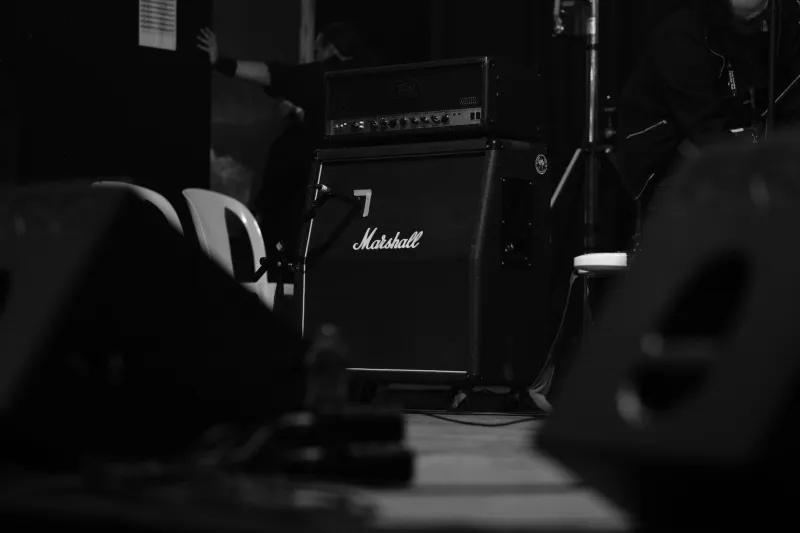
Speaker cabinets tell a story too. The classic Marshall stack — a head unit sitting atop two 4x12 cabinets — became the visual signature of rock volume in the late 1960s and has never really gone away. But modern touring rigs often combine vintage-style cabinets with contemporary speaker technology, chasing the aesthetic of the past while building in the reliability that road life demands.
Custom drum kits at the major festival level are often built to a specific artist's specifications over years of collaboration with manufacturers. Shell sizes, wood types, bearing edges, and hardware choices all contribute to the final sound, and many artists have setups that are genuinely one-of-a-kind.
The Sound That Connects
At the end of the day, all the vintage guitars and meticulously maintained amp stacks exist in service of a single goal: creating a moment where thousands of people forget where they are and feel something together. The gear is the means, not the end.
But understanding the equipment — knowing what you're hearing and why it sounds the way it does — adds a layer to the festival experience that's hard to describe until you've had it. The next time you're watching a set and the guitar cuts through in that particular way, or the drums hit with a weight that you feel in your chest, take a second to think about the instrument, the amplifier, and the human being who tuned it before the show. That's part of the story too.