Five American Cities Flying Under the Radar That Are About to Explode on the Rock Scene
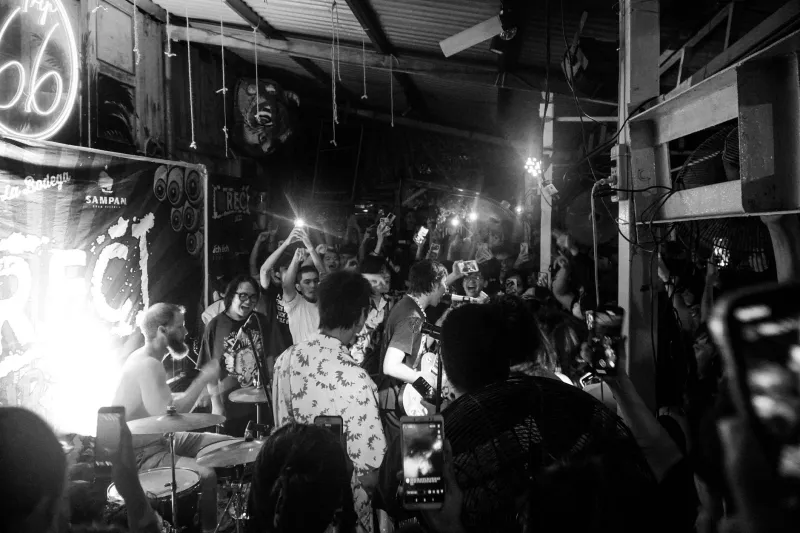
Every major rock movement in American history started somewhere unexpected. Seattle in the late '80s was a rainy afterthought before it became the center of the musical universe. Austin was a college town before it became a live music institution. The pattern repeats: a city with cheap rent, a handful of passionate venue owners, a few bands willing to grind, and a community that shows up — and suddenly, something real starts happening.
We've been watching five cities that fit that exact description right now. These aren't places you'll find on the main stage at major festivals yet. But give it two or three years, and you'll be telling people you knew about them before they blew up. Consider this your head start.
1. Omaha, Nebraska — The Midwest's Best-Kept Secret Is Getting Harder to Keep
Omaha has a longer rock pedigree than most people realize. Conor Oberst put the city on the indie map in the early 2000s, and the infrastructure he helped build — the DIY ethos, the tight-knit venue network, the willingness to support weird, ambitious music — never really went away. It just went quiet for a while.
 Photo: Omaha, Nebraska, via www.hrvaska.net
Right now, that quiet is ending.
The venues: Slowdown remains the anchor of the Omaha scene — a mid-capacity room that books with genuine taste and has been a proving ground for touring acts for years. But the real action is happening at smaller spots like The Waiting Room and a rotating cast of DIY spaces in the Benson neighborhood, where weekend shows regularly pack out with crowds that know every word to songs by bands with 200 Instagram followers.
The bands to watch: Keep your eyes on Plague Vendor (who've toured through the region and left a mark), but more importantly, watch the local circuit. Omaha's current crop of rock bands is pulling from post-punk, Americana, and classic Midwestern guitar rock in ways that feel genuinely fresh. The city's geographic isolation — far enough from Chicago and Denver to develop its own identity — is actually an advantage. These bands aren't trying to sound like anyone else because they're not surrounded by anyone else.
Why it matters: Omaha's scene has the thing that manufactured music scenes never have: actual community. Bands here play each other's shows. They share gear. They build audiences together rather than competing for scraps. That's the foundation that turns a local scene into a national moment.
2. Asheville, North Carolina — Where the Mountains Are Making Noise
Asheville's reputation as an artsy mountain retreat has always somewhat obscured what's actually happening in its music scene. Yes, there are breweries and galleries and farm-to-table everything. But underneath the tourism veneer, there's a rock community that's been quietly developing some seriously interesting music.
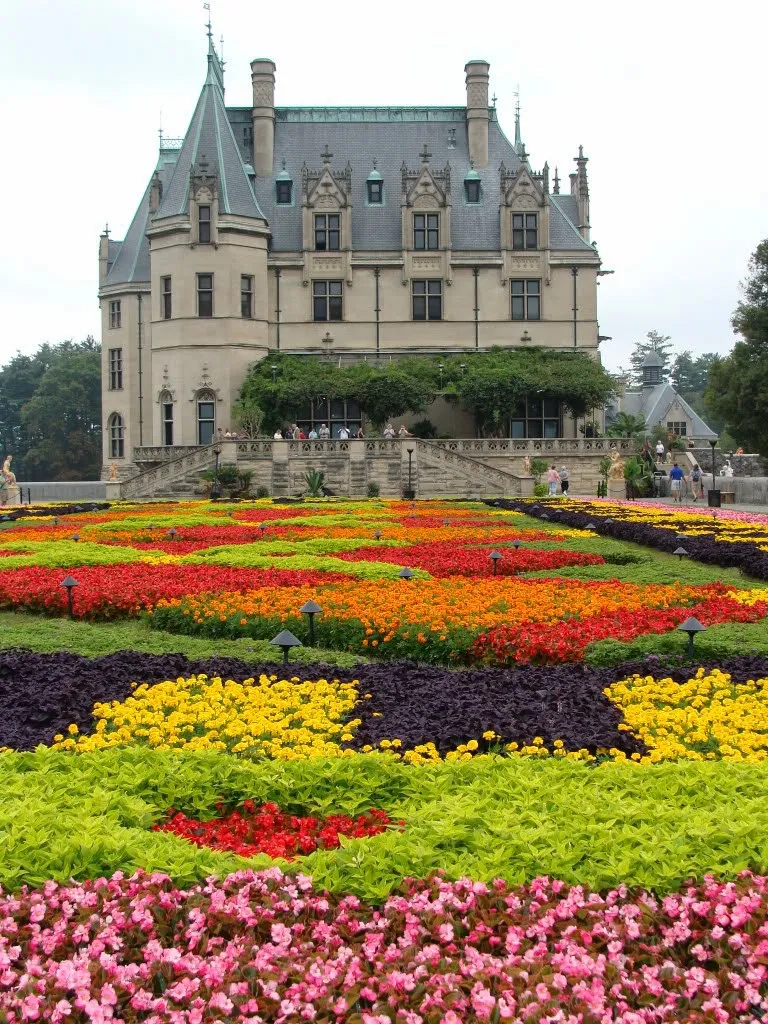 Photo: Asheville, North Carolina, via 3.bp.blogspot.com
The venues: The Orange Peel is the room that put Asheville on the touring circuit map — a 1,000-cap venue with a reputation for sound quality that touring musicians rave about. But the scene's energy right now is in smaller rooms: Static Age Records (yes, the record store hosts shows), The Grey Eagle, and a handful of basement and warehouse spaces that host all-ages events drawing crowds from across western North Carolina and into Tennessee.
The bands to watch: Asheville's rock scene has a distinctly Southern Gothic texture — heavy riffs meeting Appalachian melody in ways that don't sound like anything coming out of Nashville or Atlanta. Several bands working this territory are starting to draw regional attention, and at least two have been quietly shopping to indie labels over the past year.
Why it matters: The city's influx of creative transplants — artists and musicians priced out of larger metros — has created an unusually fertile cross-pollination environment. When you mix that with the area's deep musical roots, you get something that feels both rooted and forward-looking. Festival scouts who haven't been to Asheville recently are missing something real.
3. El Paso, Texas — The Border City With a Sound All Its Own
El Paso is one of the most underrepresented cities in American music conversation, which is genuinely baffling if you've spent any time there. Sitting at the far western tip of Texas, sharing a metro area with Ciudad Juárez across the Rio Grande, El Paso has a cultural complexity that feeds directly into its music — and the rock scene here has a grit and originality that's hard to find anywhere else.
 Photo: El Paso, Texas, via fr.web.img2.acsta.net
The venues: Lowbrow Palace is the heartbeat of the El Paso rock scene — a small, sweaty, essential room that books local and touring acts with equal enthusiasm. The 502 Bar and Rockhouse have also hosted scenes-within-the-scene, and the city's strong military presence (Fort Bliss is right next door) creates an audience that's hungry for live music and not particularly precious about genre boundaries.
The bands to watch: El Paso rock pulls from desert rock, post-hardcore, and the Chicano rock tradition in ways that produce sounds you genuinely won't hear anywhere else. Several bands working in this space have been building regional followings through relentless touring across the Southwest, and the word is starting to spread.
Why it matters: El Paso's isolation — it's closer to Tucson and Albuquerque than to Dallas — has forced its music community into self-sufficiency. DIY infrastructure here is strong because it had to be. And bands that develop in that environment tend to arrive on the national stage already road-hardened and ready.
4. Richmond, Virginia — Punk's Quiet Capital Is Getting Loud Again
If you know Richmond's music history, you know it's had moments of genuine national significance — particularly in the hardcore and punk world. That energy has never fully left, but it's evolved. The Richmond of 2024 is nurturing a rock scene that honors that aggressive, DIY heritage while pushing into new sonic territory.
The venues: The Broadberry is Richmond's main mid-size rock room, and it punches well above its weight in terms of booking. But the real scene lives in places like Strange Matter (RIP, but its spirit lives on in successor spaces), the Richmond Music Hall, and a network of house venues in the Museum District and Oregon Hill neighborhoods that have been hosting underground shows for decades.
The bands to watch: Richmond's current crop draws heavily from the city's hardcore lineage but incorporates elements of noise rock, post-punk, and even classic Southern rock that give the music a broader palette. Several acts have been getting attention from national rock blogs, and at least one Richmond band appeared on a notable festival undercard in 2023 to strong reviews.
Why it matters: Richmond has something a lot of emerging scenes lack: institutional memory. Older musicians and promoters who lived through previous scenes are actively mentoring younger acts, providing both practical support and a sense of artistic standards. The result is a scene that takes itself seriously without taking itself too seriously.
5. Boise, Idaho — The High Desert Dark Horse
Boise might be the most surprising entry on this list, which is exactly why it belongs here. The Idaho capital has been growing rapidly for years, and that growth has brought an influx of young, musically hungry residents who've built a scene largely from scratch.
The venues: The Treefort Music Festival — an annual multi-venue event that takes over downtown Boise every spring — has become a genuine regional institution, and it's been quietly showcasing rock talent that deserves wider attention. The Neurolux and Shrine Social Club anchor the city's year-round live music ecosystem, and the quality of local bookings has improved dramatically over the past five years.
The bands to watch: Boise's rock scene is eclectic in the best sense — there's no single dominant sound, which means the bands developing here are pulling from a wide range of influences and coming out with music that's genuinely hard to categorize. That's usually a sign that something interesting is about to happen.
Why it matters: Treefort has given Boise a festival infrastructure that most cities its size don't have. That means local bands have a clear pathway from house show to festival stage, and the community has learned how to support and celebrate its own music. Watch for Boise names on festival sidestages in 2025 and 2026.
The Bigger Picture
What all five of these cities share is something that can't be manufactured or marketed into existence: genuine community investment in live music. The bands are real. The venues are fighting to stay open. The fans are showing up on Tuesday nights for bands they believe in.
That's where every great American rock scene has always started. And if history is any guide, the stages at Rock & Rev festivals a few years from now will feature names you're reading about here for the first time today.
You heard it here first.
Planning a music road trip? Hit rocknrevfestival.com for venue guides, emerging artist spotlights, and festival coverage that goes beyond the headliners.