After the Last Chord: Inside the Shadow Economy Fueling Rock's Wildest After-Hours Scene
After the Last Chord: Inside the Shadow Economy Fueling Rock's Wildest After-Hours Scene
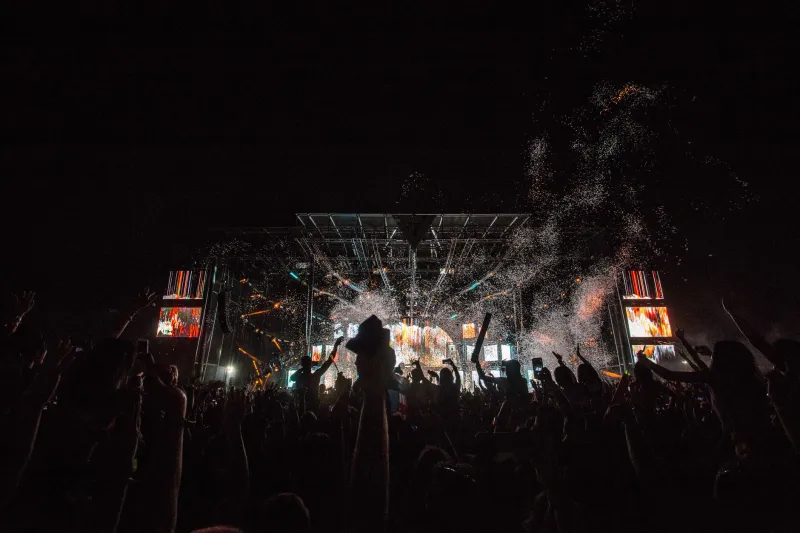
The confetti hasn't even hit the ground yet. The headliner is still halfway through their encore, and somewhere across town — maybe two blocks from the festival grounds, maybe tucked into a dive bar nobody outside a five-mile radius has ever heard of — a local promoter is already propping open a side door and checking the ice situation behind the bar. By the time the crowd spills out of the gates, the second festival has already started.
This is the afterparty economy. It doesn't show up in the official program. There's no app for it. And yet, for a certain breed of rock festival veteran, it's the part of the weekend they plan for most carefully.
The Invisible Infrastructure
It would be a mistake to assume any of this happens by accident. The afterparty circuit surrounding major US rock festivals — think the orbit around events like Bonnaroo, Lollapalooza, or Austin City Limits — is a surprisingly coordinated machine. Local bar owners start making calls months in advance. Regional booking agents quietly reach out to mid-card festival acts and their management, dangling late-night slots at nearby venues. Wristbands get printed, guest lists get curated, and word gets out through a chain of text messages and Instagram DMs that would make a spy network jealous.
"People think it's chaos, but there's a real infrastructure behind it," says one Nashville-based independent promoter who has been running unofficial after-hours shows adjacent to major festival weekends for nearly a decade. "You've got venues competing for the same acts, sponsors trying to attach their name to something that feels authentic, and fans who've already spent a thousand bucks on their festival tickets and are somehow still ready to pay a $20 cover at midnight."
That $20 cover adds up fast. A mid-sized venue running three nights of afterparty programming during a major festival weekend can pull in serious revenue — sometimes rivaling what they'd generate in an entire normal month. And that's before accounting for bar sales to a crowd that's already primed to celebrate.
The Secret Show Circuit
The most coveted tier of the afterparty world is the surprise show — the kind that gets whispered about for years. A headlining band's guitarist slipping away to play a 45-minute acoustic set at a bar that holds 200 people. A legendary act reuniting informally for a late-night jam that nobody filmed properly but everybody who was there remembers in granular detail. These moments have become the folk mythology of the modern festival circuit.
They're also not entirely spontaneous. Artists and their teams often coordinate these appearances well in advance, even when they're designed to look like a last-minute thing. The appeal is obvious — it lets a major act play for a small, intimate crowd without the logistical weight of a main stage performance. For the artist, it's a pressure valve. For the fans lucky enough to get in, it's a story they'll tell for the rest of their lives.
Some festivals have quietly embraced this dynamic. Certain events have been known to look the other way when their booked artists moonlight at nearby venues after hours, understanding that it builds the kind of grassroots mythology that no marketing budget can manufacture.
Who's Really Running the Show
The afterparty economy has its own ecosystem of operators. You've got the local venue owners who treat festival weekends like a second Christmas. You've got the independent promoters who specialize in unofficial programming and have built their entire brand around being the people who know what's happening after the gates close. And then there are the corporate players — sponsors and brand activation teams who've realized that the after-hours scene is where the most engaged, most passionate fans congregate.
In recent years, brands have gotten increasingly aggressive about planting their flag in this space. Sponsored pop-up bars, branded late-night stages, product activations dressed up to look like underground parties — the line between organic afterparty culture and polished marketing exercise has gotten genuinely blurry. Not everyone's thrilled about it.
"There's a tension there," admits one Chicago-based music journalist who covers the festival circuit extensively. "The afterparty scene is appealing precisely because it feels unfiltered and real. The second it starts to look like a festival annex with a corporate logo on the banner, it loses something. But that's also where the money is, so the pressure to commercialize it isn't going away."
The Fan Economy
Festival veterans have developed an almost ritualistic approach to navigating the after-hours circuit. They trade intel on private group chats. They follow specific promoters and local bookers on social media specifically for last-minute announcements. They budget separately for afterparty cover charges, knowing that the main festival ticket is really just the opening act for a longer weekend.
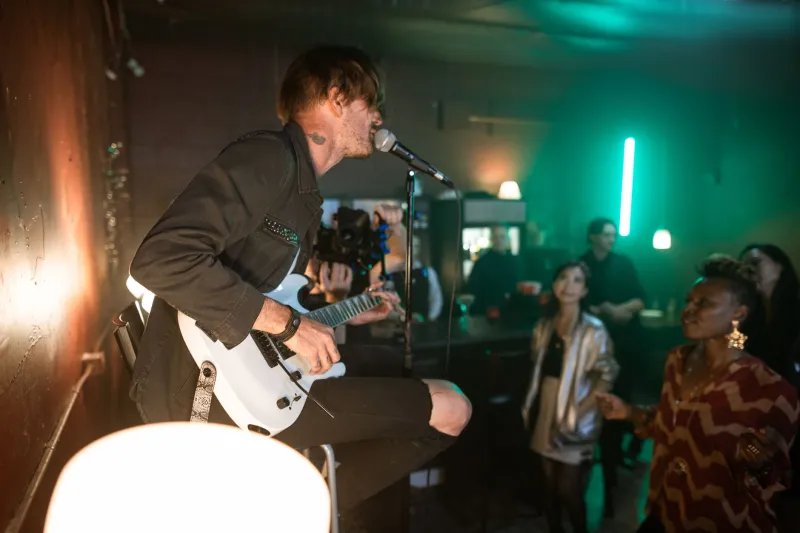
For some attendees, the afterparties are explicitly where they feel most at home. The main stage experience — massive crowds, premium pricing, corporate sponsorships visible from every angle — can feel alienating to fans who got into rock music because of its rawer, more communal spirit. A sweaty bar at 1 a.m., a band playing three feet away from the front row, a crowd small enough that you can actually find your friends — that's a different emotional register entirely.
"I've been to probably thirty major rock festivals," says one longtime Lollapalooza attendee from Chicago. "And some of my top five memories didn't happen on any of the official stages. They happened at a bar in Wicker Park at two in the morning, watching someone play songs they'd never release on an album."
The Morning After the Morning After
The afterparty economy also has a longer tail than most people realize. The stories generated in those late-night spaces — the surprise appearances, the unexpected collaborations, the chaotic and beautiful moments that happen when musicians are off the clock and just playing for the love of it — tend to circulate for years. They become part of a festival's identity, even when the festival itself had nothing to do with orchestrating them.
For the venues, the promoters, and the local scenes that host these gatherings, the payoff isn't just financial. It's reputational. Being known as the bar where something legendary happened during festival weekend is a brand asset that compounds over time. People come back. They bring friends. They tell the story again.
The main stage will always be the centerpiece of the festival experience. The production, the spectacle, the moment when a band you've loved for twenty years finally plays the song you've been waiting for — none of that disappears. But when those lights go dark and the crowd starts drifting toward the exits, the night isn't over. It's just moving somewhere smaller, louder, and considerably less official.
And honestly? That's exactly where some of the best rock and roll has always lived.