Controlled Chaos: What Really Goes Down Backstage When a Surprise Guest Blows Up a Headliner's Setlist
Controlled Chaos: What Really Goes Down Backstage When a Surprise Guest Blows Up a Headliner's Setlist
There's a particular kind of silence that falls over a production booth right before everything goes sideways. It's not the silence of calm — it's the silence of a stage manager who just watched someone walk out of the wings who absolutely was not on the printed setlist. Then the radio crackles, somebody swears under their breath, and the most beautifully chaotic three minutes in live music begin.
For fans standing in the crowd, a surprise guest appearance is pure euphoria. For the crew running the show behind the curtain, it can feel a whole lot closer to a controlled emergency.
The Setlist Is a Contract — Until It Isn't
Ask anyone who's worked a major festival production and they'll tell you the same thing: the setlist isn't just a list of songs. It's a blueprint. Every cue — lighting, pyro, monitor mix, camera angles, confetti cannons — is mapped to a specific song in a specific order. Weeks, sometimes months, of pre-production go into building that document. Touring lighting directors program hundreds of individual scenes. Sound engineers dial in monitor mixes for every instrument and vocal. Stage managers build call sheets timed down to the minute.
Then someone like Eddie Vedder decides he wants to wander out and join the band for a song nobody rehearsed.
"The setlist is a living thing right up until the first downbeat," says one production manager who has worked multiple major US festival circuits, speaking on background. "After that, it's gospel. Except when it isn't. And when it isn't, you find out real fast who actually knows what they're doing."
Earpiece Pandemonium
The first domino to fall when an unplanned guest appears is communications. Every key crew member — lighting director, monitor engineer, stage manager, video director — is looped into a production intercom system. The moment a surprise collaborator materializes in the wings, that channel erupts.
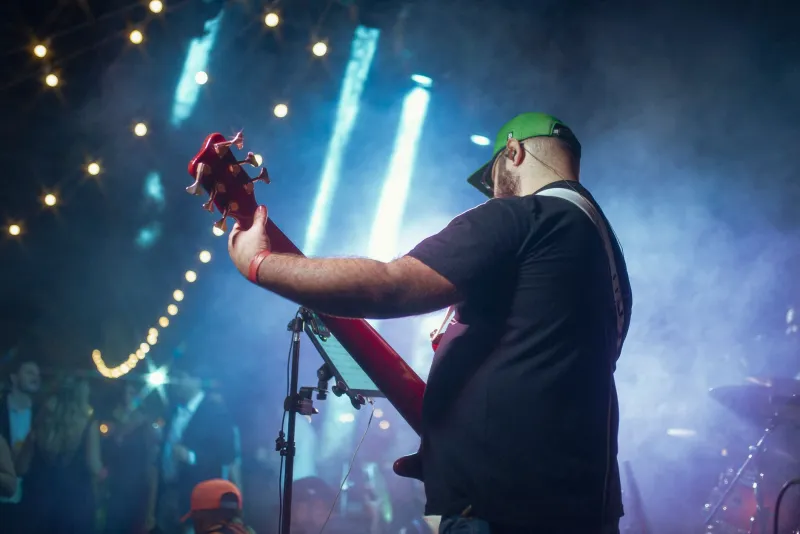
The stage manager is usually the first to know, tipped off by a tour manager or a sudden flurry of activity in the side-stage area. From there, it's a cascade of rapid-fire updates. The lighting director gets flagged to hold on pre-programmed cues and go manual. The monitor engineer scrambles to pull up a saved preset — or build one from scratch — for the guest's vocal or instrument. The video director starts improvising camera calls on the fly.
"You're basically running an audible on every system simultaneously," one veteran lighting director described. "And you're doing it while the crowd is losing their minds, which doesn't exactly make it easier to concentrate."
For guest appearances that were secretly rehearsed — the ones that look spontaneous but were actually coordinated days in advance — the crew has at least a fighting chance. There's a rough cue sheet, a monitor mix already dialed in, maybe even a lighting look pre-programmed and waiting. But for the truly unplanned moments? It's improvisation all the way down.
When the Band Doesn't Know Either
Here's the part that rarely gets talked about: sometimes the headlining band is just as surprised as the audience. A guest artist who's been hanging around the festival grounds all day — catching sets, having drinks at the artist hospitality tent — decides in the final hour that tonight feels right. They mention it to the headliner's lead guitarist. The guitarist mentions it to the singer. Next thing anyone knows, a stage tech is hunting down a spare guitar while the monitor engineer is getting a heads-up via text message.
"I've seen a headliner's tour manager go completely white in the face," recalls one festival production staffer who asked to remain anonymous. "Not because they were upset — because they just realized they had about four minutes to make something work that normally takes four days to set up properly."
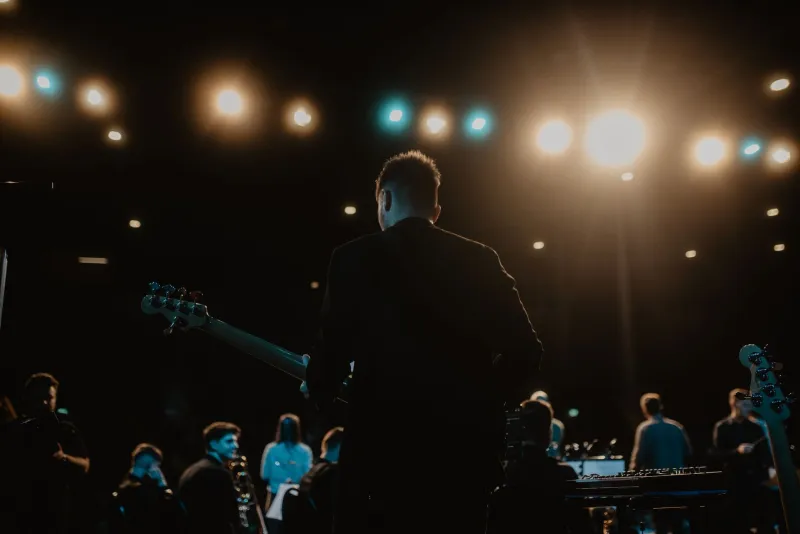
The bands, to their credit, often thrive in this environment. Rock musicians who've spent decades performing live develop an almost instinctual ability to communicate onstage without words. A glance, a nod, a quick hand signal — entire arrangements get worked out in real time between professionals who've been playing their instruments longer than some of their fans have been alive.
The Moments That Became Mythology
It's no coincidence that many of the most talked-about festival moments in US rock history involve some degree of unscripted chaos. The guest appearances that get passed down like campfire stories — the ones that still have YouTube comment sections lighting up years later — almost always carry that unmistakable texture of something that wasn't supposed to happen.
There's a rawness to an unrehearsed collaboration that even the most polished production can't manufacture. The slight hesitation before a key change. The grin that breaks across a frontman's face when the guest nails a harmony they'd never actually practiced together. The moment a lighting director, working purely on instinct, throws up a single spotlight that frames the whole thing perfectly.
"Those are the moments you can't plan," says a festival production veteran with over two decades on the road. "And honestly? The ones you can't plan are the ones people remember forever."
The Aftermath Nobody Talks About
Once the surprise guest takes their bow and disappears back into the wings, the production team doesn't get to exhale for long. The headliner still has a show to finish, and the setlist — now potentially missing a song that got bumped to make room for the guest, or running long because the collaboration stretched — needs to be recalibrated on the spot.
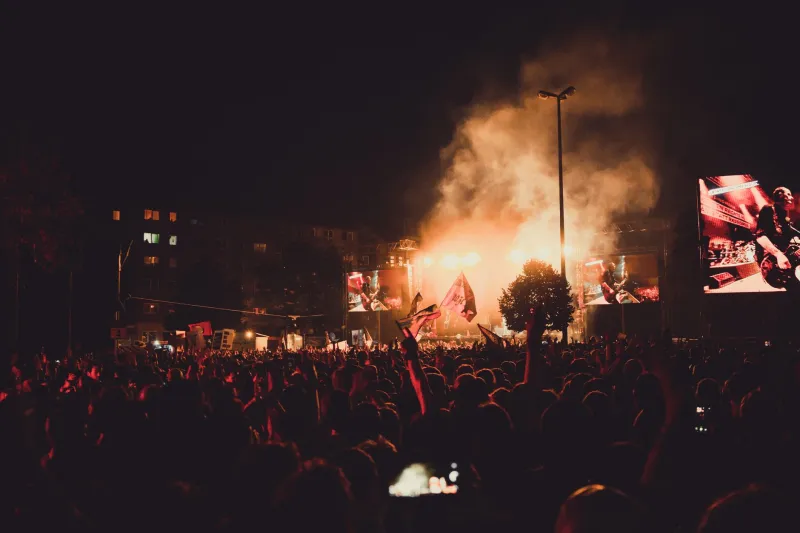
Stage managers are already talking to the tour manager about what gets cut. The lighting director is resetting cue points. The monitor engineer is pulling the guest's mix back down and refocusing on the band. And somewhere in the crowd, thousands of people are already reaching for their phones to post about what they just witnessed, completely unaware of the controlled storm that just passed through the production booth.
That's the thing about beautiful chaos — it only looks effortless from the front of house.
Why the Industry Keeps Letting It Happen
For all the logistical headaches they create, surprise guest appearances remain one of the most powerful tools in the live music experience. Festival bookers know it. Headlining acts know it. Even the production crews who bear the brunt of the scramble will quietly admit that those moments are part of why they got into this business in the first place.
In an era where so much of the festival experience has been packaged, optimized, and monetized within an inch of its life, the unscripted guest spot is one of the last genuine wildcards left. You can't buy a ticket specifically for that moment. You can't stream it in advance. You either happened to be there, or you didn't.
And backstage, in the chaos that fans never see, a lighting director is already resetting for the next song — heart still pounding, grinning just a little — because that's exactly what makes this job worth every frantic second.