Mud, Music, and Meaning: The American Rock Festivals That Rewrote the Rules of a Generation
There's something almost mythological about the way Americans talk about their great rock festivals. Ask someone about Woodstock and watch their eyes go a little distant, even if they weren't born until decades after the last chord rang out. That's the power of these events — they don't just happen in a field or a fairground. They happen in the collective memory of a culture, and they stick around long after the generators are switched off and the trash bags are hauled away.
From the countercultural chaos of the late '60s to the polished, sponsor-branded spectacles of today, the American rock festival has been one of the most reliable barometers of where the country's head is at. Let's trace that evolution, decade by decade, and celebrate what it means that we keep showing up — rain or shine.
Woodstock and the Birth of the Gathering
August 1969. A dairy farm in Bethel, New York. Half a million people. No one — not the organizers, not the local authorities, not even the artists — was ready for what showed up.
 Photo: Bethel, New York, via i.ytimg.com
Woodstock wasn't just a music festival. It was an argument. A living, breathing, occasionally muddy argument that a different kind of America was possible — one built on peace, shared experience, and the kind of music that made your chest vibrate down to the bone. Jimi Hendrix's sunrise rendition of "The Star-Spangled Banner" wasn't just a guitar solo; it was a political statement wrapped in feedback and fire. The Vietnam War was raging. Civil rights battles were raw and ongoing. And there, in that field, hundreds of thousands of young Americans decided to build a temporary world that looked a little more like the one they wanted.
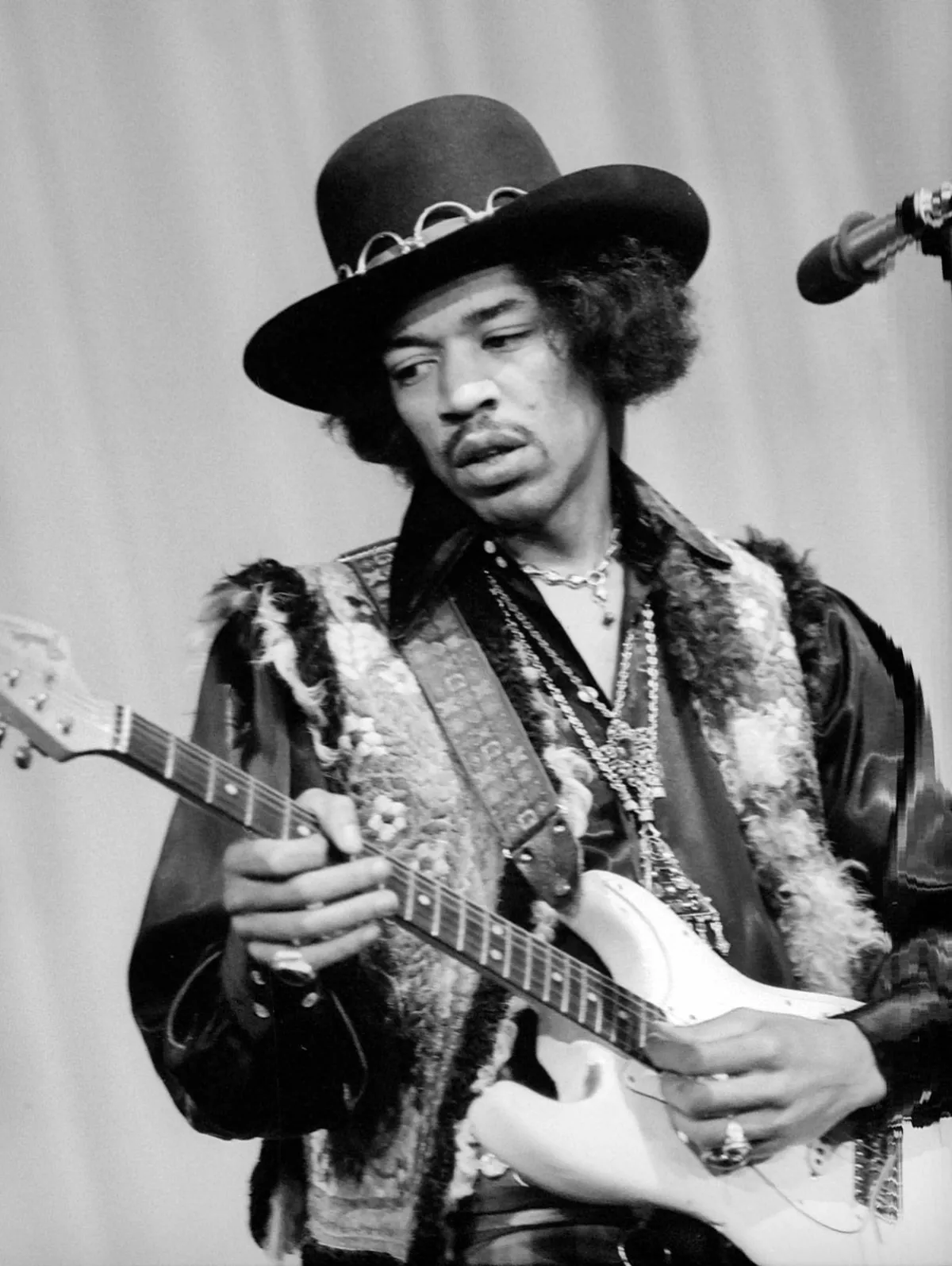 Photo: Jimi Hendrix, via wallpapers.com
Woodstock set a template that every festival since has either chased or deliberately run from. It proved that music could be the connective tissue of a generation.
The '70s and '80s: Rock Gets Louder, Festivals Get Wilder
If Woodstock was idealism in action, the rock festivals that followed it through the '70s and into the '80s were something rawer and more electric. The Ozark Music Festival in 1974 drew an estimated 350,000 fans to Missouri. Cal Jam in California that same year pulled in 200,000 people to watch Deep Purple and Black Sabbath turn the volume up to levels that probably rattled teeth in neighboring counties.
This era's festivals weren't as politically charged as Woodstock, but they carried their own cultural weight. Rock music was cementing its place as the soundtrack of American restlessness — the sound of people who wanted more from life than a nine-to-five and a white picket fence. The festival crowd in this period was a defiant community, and the music reflected it. Harder, louder, and unapologetically excessive.
The US Festival in 1982 and 1983 bridged the gap between that raw era and what was coming next. Organized by Apple co-founder Steve Wozniak and featuring acts from Van Halen to The Clash, it hinted that rock festivals were starting to attract a different kind of ambition — and a different kind of money.
Lollapalooza and the '90s Alternative Revolution
By 1991, something had shifted. Grunge was crawling out of Seattle. Alternative rock was knocking on the mainstream's door with a crowbar. And Perry Farrell of Jane's Addiction had an idea: a traveling festival that would bring the underground to every corner of America.
Lollapalooza wasn't just a tour. It was a cultural statement that rock music — real, weird, politically engaged rock music — deserved a national stage. The early lineups were deliberately eclectic, mixing Nine Inch Nails with Ice Cube, Soundgarden with Ministry. It was messy and confrontational and absolutely perfect for a decade that was grappling with its own identity.
Lollapalooza in its original touring form also reflected the anxieties of the '90s: environmental activism, LGBTQ+ visibility, political disillusionment. The festival grounds were lined with booths from advocacy groups alongside the merch tables. You could buy a T-shirt and register to vote in the same afternoon.
This era proved that rock festivals could be platforms, not just parties.
Bonnaroo and the 2000s: The Festival Grows Up
When Bonnaroo launched in Manchester, Tennessee in 2002, it arrived at an interesting cultural crossroads. The post-9/11 United States was a country searching for communal joy without quite knowing where to look. What Bonnaroo offered was something genuinely radical in its simplicity: four days, a farm, and an absurdly deep lineup that blurred the lines between rock, jam, hip-hop, and everything in between.
Bonnaroo became the template for the modern American music festival — curated, community-focused, and sprawling enough to feel like its own small city. It proved that the festival format could survive and thrive in a new century, even as the music industry itself was being shaken to its foundations by digital downloads and shifting tastes.
The 2000s also saw Coachella evolve from a niche desert gathering into a full-blown cultural institution. Suddenly, festival lineups were news. Headliner announcements trended online. The festival experience had gone mainstream in a way that would have baffled the Woodstock generation — but the core impulse was the same. People wanted to gather. They wanted to feel something together.
What the Dirt Under Our Boots Actually Means
Here's the thing about rock festivals that the ticket prices and the sponsored stages and the Instagram content can sometimes obscure: they work because they tap into something deeply human. The desire to stand in a crowd and feel the bass in your chest. The experience of being a stranger next to someone who becomes, for three minutes during your favorite song, your best friend.
Every great American rock festival — from Woodstock to Bonnaroo, from Lollapalooza to the dozens of regional events that fill summer calendars across the country — has been a reflection of the moment it existed in. They've amplified the culture's hopes and anxieties, given voice to movements, and launched careers. They've been soggy and triumphant and occasionally chaotic and always, always worth talking about.
And that's the legacy worth celebrating. Not just the legendary performances or the iconic photographs, but the stubborn, beautiful fact that generation after generation of Americans keep deciding that the best way to make sense of their world is to show up, find a patch of grass, and let the music do its work.
The fields are waiting. The stacks are humming. And the story isn't close to finished.