New Tricks, Old Names: Why the Most Interesting Thing Happening at Rock Festivals Right Now Is Legacy Bands Refusing to Stand Still
Here's the comfortable version of a rock comeback: a band that broke up — or nearly did — gets back together, announces a reunion tour, headlines a few major festivals, plays the deep cuts alongside the hits, and lets the crowd do the emotional heavy lifting. Everyone goes home satisfied. The band gets paid. The legend gets polished.
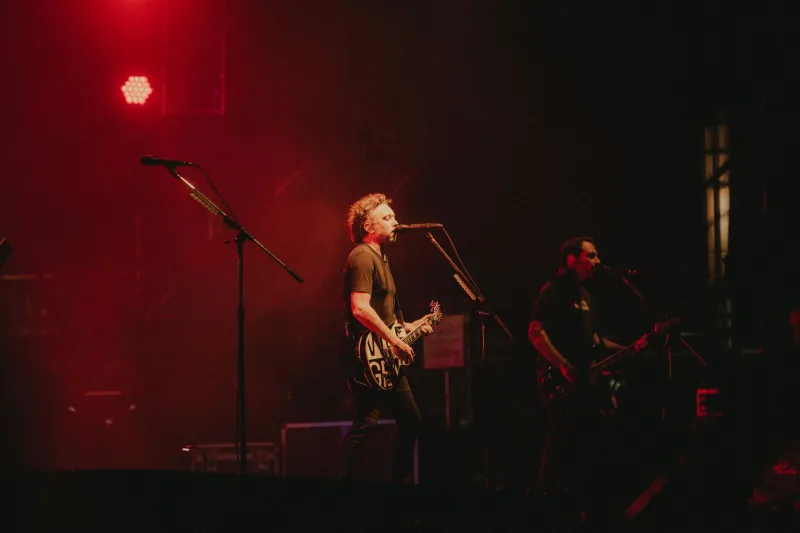
And here's the uncomfortable version: the same band shows up, plays some of those songs you love, and then spends a meaningful chunk of the set playing music you've never heard. New music. Music they wrote last year. Music that sounds like where they are now rather than where they were in 1994.
Guess which version is actually harder to pull off?
The Nostalgia Trap Is Real, and Some Bands Are Actively Running From It
The economics of rock festival bookings have long rewarded nostalgia. Promoters know that a legacy act's name on a poster moves tickets, and the safest version of that act — the one that plays the familiar catalog and doesn't challenge anyone — is also the easiest sell. There's no risk in that transaction. The fans get what they expected. The band gets a paycheck. The festival gets a headliner.
But there's a cost. Bands that lean entirely into their back catalog start to feel less like living artists and more like tribute acts to themselves. The performances become technically impressive but emotionally hollow — a museum exhibit rather than a concert. Fans sense it, even when they're too polite to say so out loud.
A handful of legacy rock acts have decided, conspicuously and sometimes controversially, that they're not willing to accept that trajectory. They're using major festival appearances — stages with genuine cultural weight and audiences that include people who weren't born when their best-known albums dropped — to introduce new work and force a conversation about who they are right now.
The Festival Stage as a Proving Ground
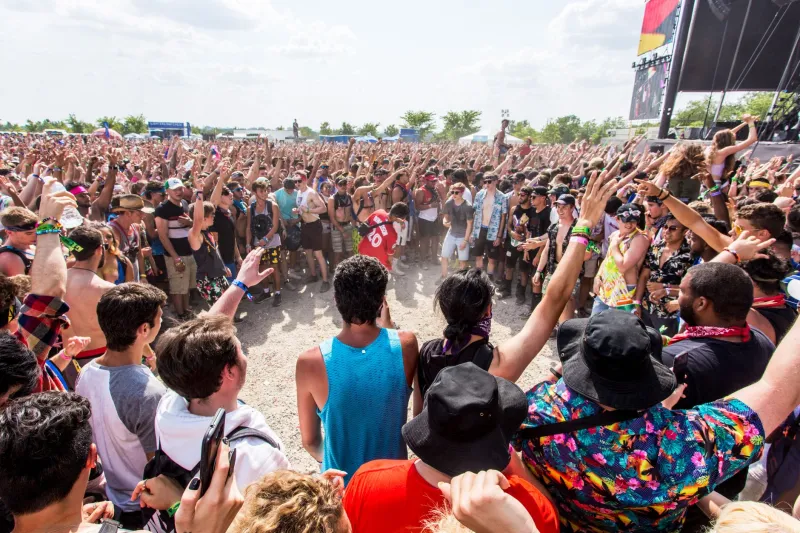
Festivals offer something that a standard headlining tour doesn't: a captive audience that didn't necessarily buy a ticket specifically for you. A legacy act headlining their own tour plays to converted fans. A legacy act appearing at a major rock festival plays to a mixed crowd — some longtime devotees, some casual listeners, and a significant percentage of younger attendees who know the name but not the deep catalog.
That mixed audience is actually an opportunity, even if it doesn't feel like one from the stage.
"When you play your own tour, you're preaching to the choir," one manager of a legacy rock act explained during a conversation at a summer festival in the southeast. "When you play a festival, you're auditioning for people who aren't sure about you yet. That's terrifying. It's also the only situation where new music can actually find new listeners."
The bands leaning into this dynamic are making a calculated bet: that the festival crowd is more open-minded than a legacy touring crowd, and that a well-placed new song — sequenced between recognizable hits, given production that holds its own against the catalog — can land with an audience that has no prior attachment to it.
Sometimes it works spectacularly. Sometimes it's met with the polite indifference of a crowd waiting for the song they actually know. But the attempt itself is significant.
Why the New Material Actually Matters More Than It Used To
There's a case to be made — and I'll make it here — that new music from a legacy rock act matters more in the current festival landscape than it did even a decade ago.
The streaming era has fundamentally changed how younger audiences discover older bands. A twenty-two-year-old who loves a legacy rock act probably found them through an algorithm, a playlist, or a sync placement in a show or film. They may have a deep relationship with two or three albums and almost no awareness of the band's broader history. For them, a festival appearance isn't a reunion — it's a first impression.
If that first impression is a technically flawless greatest-hits set with no new ideas, the story ends there. The band becomes a known quantity, filed away and revisited occasionally. But if that first impression includes something genuinely new — something that suggests the band still has creative momentum — the story continues. The younger fan goes back to the catalog with fresh ears. The band gains a listener rather than just a viewer.
This is the argument that the more self-aware legacy acts are making to themselves when they decide to include new material in festival sets. It's not altruism. It's strategy.
The Tension in the Room
None of this happens without friction. The longtime fanbase — the people who have been there since the beginning, who know every B-side, who drove six hours to see the reunion show — often experience new material at a festival set as a minor betrayal. They want the songs that shaped them. They want the emotional transaction they've been waiting years to complete.
That tension is real, and dismissing it is too easy. These fans have a legitimate claim on the band's legacy. Their loyalty built the platform the band is now standing on.
The best legacy acts navigate this by sequencing carefully. New songs don't replace the hits — they're woven in, placed where they can be heard on their own terms before the crowd gets pulled back into familiar territory. A well-placed new track between two beloved songs can actually benefit from the emotional goodwill those songs generate. The crowd is warm. They're invested. They're willing to listen.
The worst version is the opposite: a band that front-loads new material, treating the hits as an afterthought, and reads the crowd's restlessness as ignorance rather than honest feedback.
The Ones Getting It Right
The legacy acts making the most compelling case for creative relevance at festivals right now share a few common traits. They're not apologizing for the new material. They're not framing it as a detour from the real show. They're presenting it with the same confidence and production investment as the catalog — and they're choosing festival appearances specifically because those stages demand that kind of conviction.
They're also, notably, making music that doesn't try to sound like 1994. The worst new material from legacy acts is the stuff that imitates the band's own past. The most interesting new material sounds like what these specific people, at this specific point in their lives, actually want to make. That authenticity — even when the song isn't a masterpiece — is what younger audiences respond to.
Rock festivals have always been about more than the past. The best ones are about what's possible. Legacy bands that understand that aren't betraying their history — they're honoring it by refusing to let it be the only thing they are.