Shoot It or Lose It: The Battle Over Who Gets to Document Rock Festival History
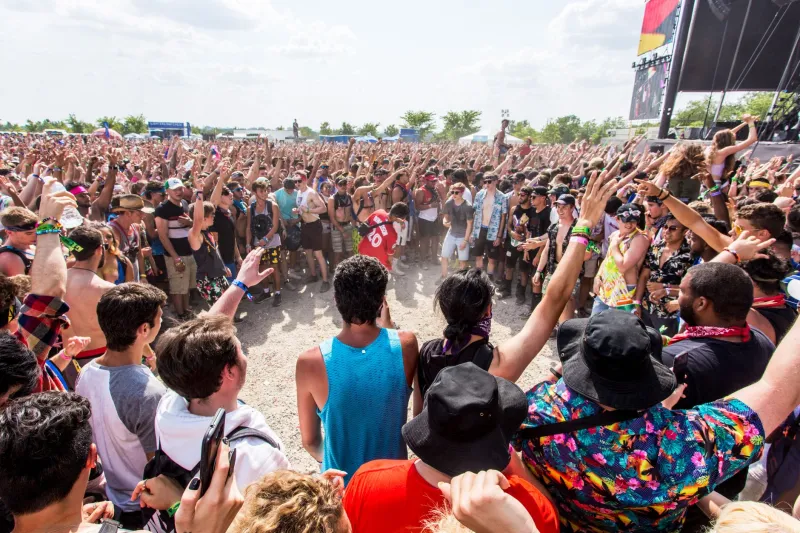
There's a particular kind of frustration that lives in the photo pit. You've spent weeks chasing a media credential, sweet-talked a publicist, hauled a bag of lenses through security, and squeezed into a narrow strip of real estate between the stage barricade and the first row of fans. You've got maybe three songs — sometimes two — before a security guard taps you on the shoulder and points toward the exit. The headliner is just warming up. The crowd is electric. And your window to capture any of it is already closing.
That's the working reality for festival photographers in 2024, and it's getting tighter every year.
The Three-Song Rule Isn't New — But It's Getting Meaner
The three-song rule has been a fixture of live music photography for decades. The idea is straightforward enough: give photographers limited access during the opening songs, then clear the pit before the artist settles into their groove. Artists and management have long argued it protects the intimacy of a performance. Nobody wants a forest of cameras between the band and the crowd for the whole night.
But what started as a reasonable compromise has quietly evolved into something more restrictive. Plenty of major acts have moved to two-song limits. Some have gone to one. A handful of high-profile headliners now require photographers to shoot exclusively from the soundboard — a position so far from the stage that you're basically documenting the back of other people's heads.
Layered on top of that are increasingly elaborate credential agreements. Many artists now demand that photographers sign over usage rights, limiting where and how images can be published. Some contracts require approval before any photo runs. Others restrict publication to a narrow window — sometimes as short as 24 hours after the show — which makes long-form editorial work nearly impossible. You're essentially working as an unpaid contractor for the artist's PR machine.
"I've had contracts that said I couldn't use the images for anything that could be considered critical of the artist," says one veteran festival photographer who shoots major events across the Midwest and asked not to be named. "At that point, what's the point of calling it press access? It's just free promo work."
Phone Bans and the Yondr Effect
Then there's the phone ban phenomenon. Popularized by Yondr pouches — those lockable sleeves that neutralize your smartphone for the duration of a show — phone-free policies have spread from intimate club gigs to full-scale festival stages. Some artists argue it creates a more present, connected crowd experience. And honestly? There's something to that. A sea of raised screens can flatten the energy of a live show.
But here's the problem nobody in artist management seems to want to address: in the absence of both professional photographers and fan documentation, what's left? The answer, increasingly, is nothing. No wide shots of a crowd losing its mind during a breakdown. No candid backstage moments that leak onto social media and become the image everyone associates with a particular tour. No accidental masterpiece captured by a kid with an iPhone 14 who happened to be standing in exactly the right spot.
The visual record of rock history has always been a patchwork — part professional editorial work, part fan documentation, part happy accident. Restricting both ends of that spectrum simultaneously doesn't protect artistic integrity. It just creates a black hole where the memory of a performance should be.
The Smartphone Competition Nobody Asked For
Here's the irony that working photographers can't stop talking about: while credentialed professionals are being pushed further from the stage and handed shrinking access windows, fan-shot vertical video is dominating the conversation online. A shaky, overexposed clip from the lawn section at a festival will rack up a million views on TikTok before a professional photographer's carefully edited gallery even goes live.
For many photographers, that sting is real. They've invested in expensive gear, maintained relationships with publicists, and navigated increasingly hostile credentialing processes — only to watch the cultural moment get defined by content shot on a phone from two hundred feet away.
But there's a case to be made that this isn't actually a competition. Professional festival photography and fan documentation serve different purposes. The professional image is what ends up in the magazine spread, the retrospective book, the museum exhibit twenty years from now. The fan clip is the immediate, chaotic, emotionally raw proof that something happened. Rock festivals need both. Treating them as substitutes for each other misunderstands what each one actually does.
What's Actually Being Lost
Let's be direct about what's at stake here, because it's easy to frame this as a niche industry grievance and miss the bigger picture.
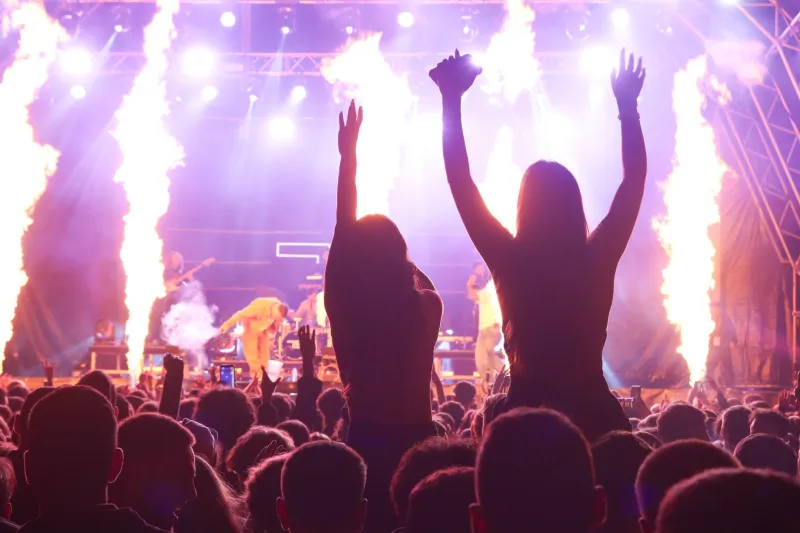
Some of the most iconic images in American rock history came out of festival photo pits. The sweat-soaked close-ups, the crowd-surfing chaos, the quiet moments between songs when a guitarist looks out at fifty thousand people — that's the visual language that makes rock culture feel alive across generations. When you look at a photo from Woodstock or Lollapalooza's early years, you're not just seeing a concert. You're seeing a cultural moment preserved in a way that words alone can't replicate.
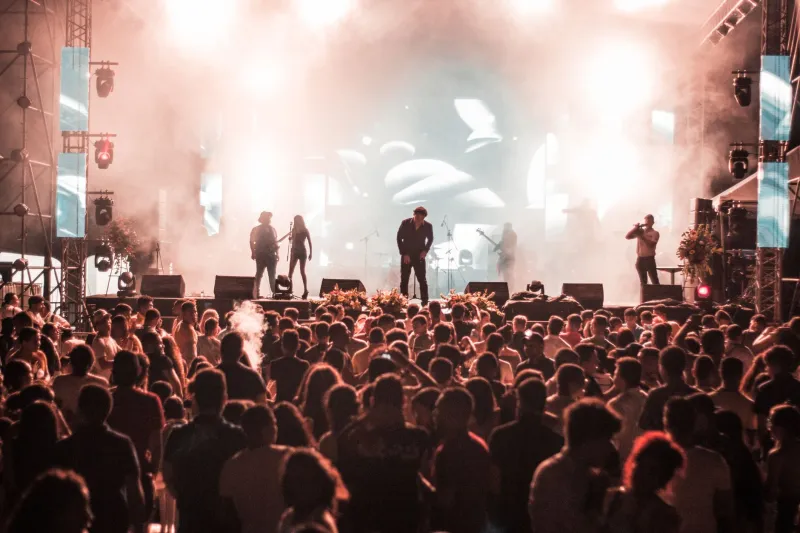
Tightening access doesn't just inconvenience working photographers. It gradually shrinks the archive. Fewer credentialed shooters in the pit means fewer images from multiple angles and perspectives. More restrictive usage rights mean fewer images making it into the editorial ecosystem where they can actually reach audiences. Phone bans mean less incidental documentation filling in the gaps. Stack all of that together over a decade and you end up with a surprisingly thin visual record of some of the biggest moments in contemporary rock.
The Argument From the Other Side
To be fair, artists and their teams aren't wrong that access has gotten complicated. The rise of content farms that pull festival images for commercial use without compensation is a real problem. So is the experience of having an unflattering shot — taken at a weird angle during a bad moment — become the defining image of a tour. Artists have legitimate reasons to want some control over how they're documented.
But there's a difference between reasonable control and a near-total lockdown. The solution to bad-faith image usage isn't to eliminate professional photography. It's better contracts, clearer usage terms, and a genuine partnership between artists and the people documenting their work. The current trajectory — where credentialing gets harder every year and the access window keeps shrinking — isn't protecting anyone's legacy. It's just making it harder to build one.
The Bigger Picture
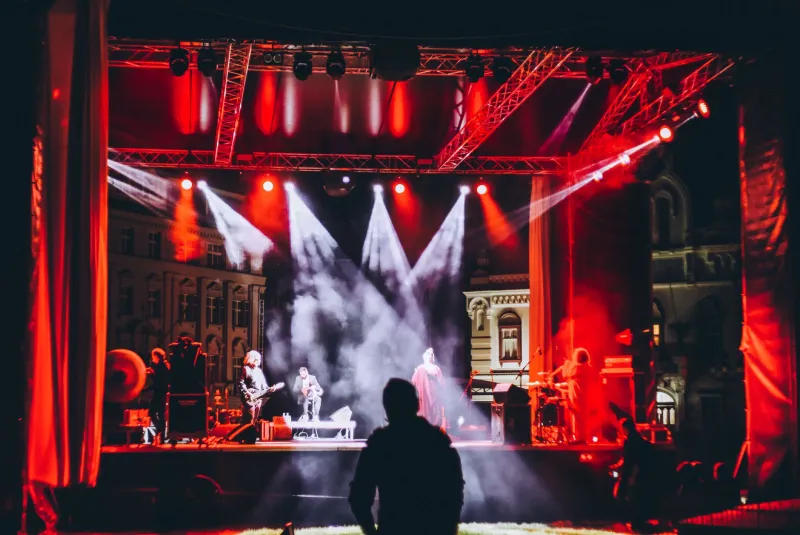
Rock festivals are living history. Every major event happening right now is something that fans will talk about for decades. The question is whether we're going to have the images to match those stories — or whether future rock fans will be digging through shaky vertical clips and trying to piece together what it actually felt like to be there.
The photographers in those pits, working under increasingly hostile conditions, are doing something genuinely important. They deserve more than a two-song window and a contract that signs away their rights before they even lift the camera. And rock culture deserves a visual record worthy of the music.