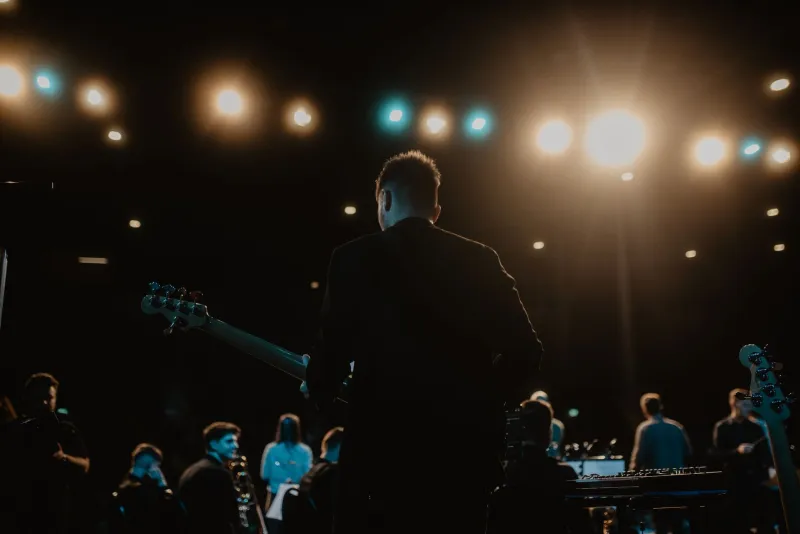
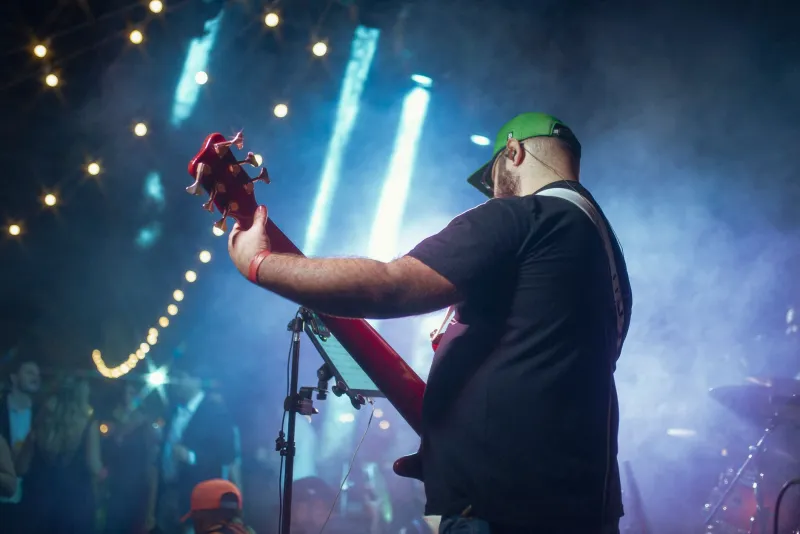
Lab Rats on the Main Stage: How Rock Acts Turn Small Festival Slots Into Secret Workshops
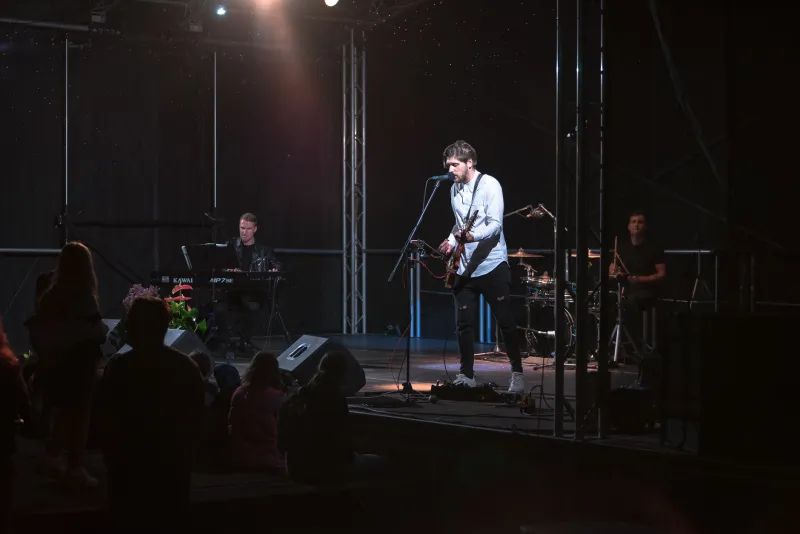
There's a moment that festival veterans recognize immediately. A band is three songs into a secondary stage set — nothing too wild, crowd is warm but not electric — and then something shifts. The guitarist turns to the drummer, there's a quick nod, and suddenly you're hearing something you've never heard before. Not a cover. Not a deep cut. Something new. Raw. Unfinished-feeling in the best possible way.
You just walked into a lab.
For a growing number of rock acts, smaller festival stages aren't just stepping stones or contractual obligations. They're deliberate testing environments where experimental material gets exposed to real human beings before it ever gets the headliner treatment. Think of it as the world's loudest focus group — except nobody signed a consent form and everyone is sunburned.
Why the Side Stage Is the Safest Risk in Rock
Headlining a major festival comes with enormous pressure. You've got production budgets, setlist expectations, media scrutiny, and tens of thousands of people who paid serious money partly on the strength of your name. That's not the moment to try out the weird 11-minute prog detour you've been building in the rehearsal space.
But a Thursday afternoon slot on the Canyon Stage at a mid-tier festival? That's a different conversation entirely.
"The stakes are lower in the best possible way," says one independent festival programmer who works with multiple US summer events and asked to remain unnamed. "A band can play to 400 people, test something that might not land, and if it doesn't, nobody's career is over. If it does land, they've got data. Real human data. Not streaming metrics — actual crowd energy."
That distinction matters more than it might seem. Studio recordings and algorithmic feedback tell you whether something is technically working. A live crowd tells you whether something feels true. Those are very different things, and for rock music especially, the latter tends to be the one that actually counts.
Case Study: The Slow Build of a Festival Anthem
Without naming specific acts under NDA, multiple producers and touring musicians described a pattern that keeps repeating across the circuit. A band carries an unfinished song — sometimes just a verse and a massive chorus — into a smaller festival set. They play it loose. They watch where the crowd disconnects and where it leans in. Then they go home, rework the bridge, tighten the second verse, and six months later, the song opens their headline set to a wall of recognition.
One touring guitarist described it plainly: "We played what eventually became one of our biggest live songs to maybe 600 people at a festival in the Pacific Northwest. Half of them were there by accident. But the reaction in the chorus told us everything. We knew we had something. We just didn't know how big yet."
That kind of organic road-testing has historical precedent. Before the era of algorithmic singles, bands refined material on the road constantly. The festival circuit has essentially recreated that function — but with a concentrated, diverse audience that you can read in real time.
The Programmer's Perspective
Festival bookers are increasingly aware of — and even complicit in — this dynamic. Some programmers actively seek out bands who are between albums or in a transitional creative phase, knowing those acts are more likely to bring something unexpected to a smaller slot.
"I'd rather book a band that's hungry and testing something new than one that's just running the greatest hits circuit on a secondary stage," says another festival director who books several regional rock events across the South and Midwest. "The audience can feel the difference. When a band is in discovery mode, there's an electricity that a polished, predictable set just can't replicate."
That energy is part of what keeps rock festival culture alive at the grassroots level. The side stage has always been where the genre's future gets drafted.
Reimagined Classics and the Crowd's Veto
It's not just new songs that get workshopped in these smaller settings. Established acts frequently use secondary stage appearances to test reimagined versions of catalog tracks — slowed-down arrangements, acoustic reinterpretations, or genre-bending remixes that would be too risky to debut at a headliner level.
One veteran rock producer described working with a band that had been playing the same version of a signature song for over a decade. "They wanted to rebuild it completely — different tempo, different key, stripped way back. We put it into a small festival set in the middle of the run. The crowd's reaction told us within 90 seconds whether it was working. It was. They've been playing that version ever since."
The crowd, in other words, has veto power. And bands who understand that tend to show up to smaller stages with something worth voting on.
What This Means for Festival-Goers
If you've ever stood at a side stage and watched a band play something that felt weirdly, electrically unfamiliar — pay attention to that feeling. You might be standing inside a song's origin story.
Savvy festival-goers have started treating secondary stage sets from known acts with the same reverence usually reserved for headliners. The unofficial advice circulating in rock fan communities is simple: if a band you know well is playing a non-headlining slot, show up early and stay alert. Something real might be happening.
And if the guitarist turns to the drummer and gives that quiet nod? Don't look at your phone. You're in the lab now.