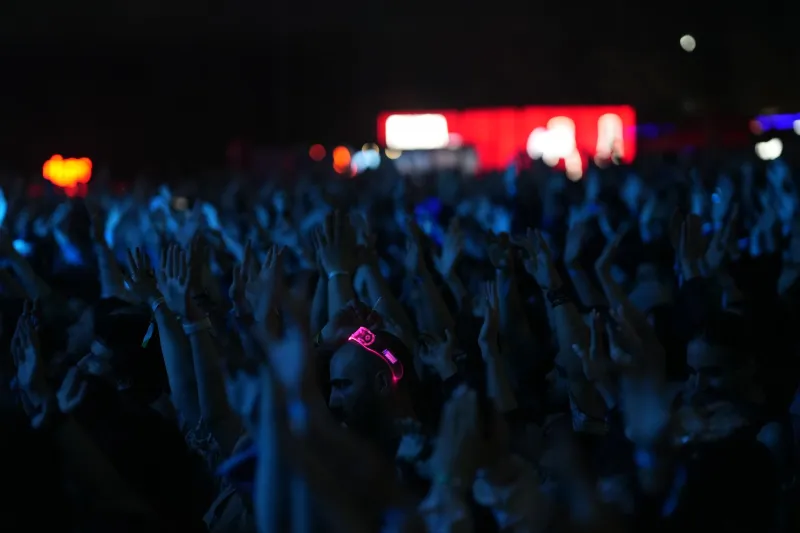
Stitched Into History: How Rock Festival Merch Became a Collector's Obsession Worth Serious Cash
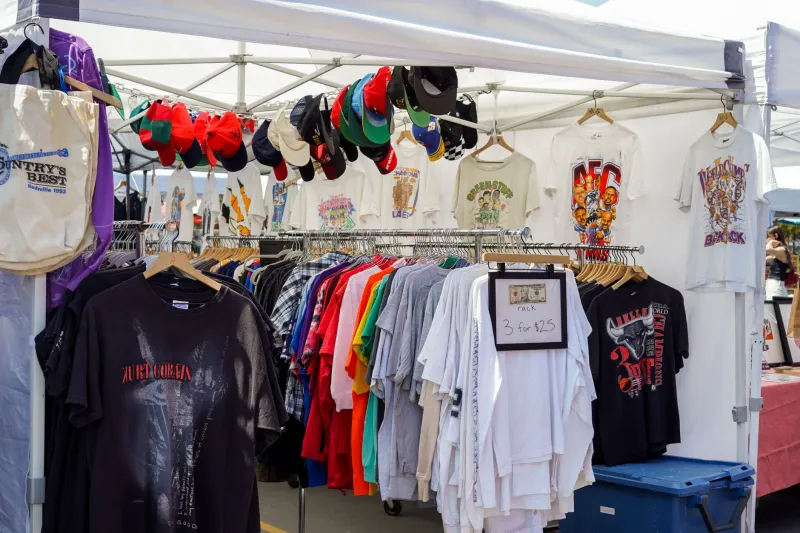
Stitched Into History: How Rock Festival Merch Became a Collector's Obsession Worth Serious Cash
Somewhere in a climate-controlled spare bedroom in Austin, Texas, Dave Kowalski has a problem. He's got 47 festival wristbands pinned to a corkboard, a fireproof safe containing laminated backstage passes dating back to 1994, and a sealed plastic sleeve holding what he believes is a first-run Lollapalooza '91 tee that still smells faintly of grass and possibility. His wife calls it hoarding. He calls it a collection. The market, increasingly, is calling it an investment.
Kowalski is far from alone. Across the US, a generation of rock fans who spent their formative years in festival fields is now channeling that nostalgia into a secondary market that's exploding in ways nobody fully predicted. Vintage rock festival merchandise — the stuff that used to get tossed in the bottom of a duffel bag — has become one of the more surprising growth sectors in music memorabilia, sitting comfortably alongside signed guitars and gold records on the shelves of serious collectors.
From Afterthought to Artifact
For most of rock's festival history, merch was functional. You bought a shirt because it was hot, because you wanted to remember the weekend, or because you genuinely needed something to sleep in at the campsite. Wristbands were infrastructure. Backstage passes were access tools. Nobody was thinking about provenance.
That started shifting around the mid-2000s, when eBay opened up a global marketplace for music memorabilia and fans began realizing that the stuff they'd been throwing away was stuff other people desperately wanted. A Woodstock '99 tee in decent condition started fetching $80, then $150, then more. Limited-run Bonnaroo shirts from the early years — the ones with hand-drawn artwork and small print runs — began disappearing from thrift stores as resellers caught on.
Now, platforms like Depop, Grailed, and dedicated memorabilia auction houses have created a sophisticated ecosystem where condition, rarity, and provenance determine price with almost surgical precision. A standard festival tee from a major event might move for $40. Add a year that coincided with a legendary performance, a discontinued design, or a band that's since broken up, and that number can climb past $300 without blinking.
What Makes a Piece Worth Chasing
Ask any serious collector what separates a valuable piece from a glorified garage sale item, and you'll get a remarkably consistent answer: story.
"The shirt has to carry weight," says Melissa Tran, a Chicago-based collector who's been hunting festival gear for over a decade. "It's not just about the band. It's about the moment. A generic tee from a mid-tier year at a festival nobody talks about? That's just cotton. But a shirt from the year a legendary band played their final set together, or from an event that got rained out after two hours and became notorious? That's a document."
Specific factors that drive value include limited print runs, artist-specific or stage-specific designs rather than generic event branding, items tied to cancelled or notorious events, and anything connected to a band's final or farewell appearance. Backstage passes — particularly laminated all-access credentials — carry a premium because they're inherently scarce and feel intensely personal. A passed-down laminate from a 1995 Metallica festival date recently sold for over $600 on a memorabilia platform. The buyer had never been within 500 miles of the show.
Wristbands occupy their own strange corner of the market. Functionally disposable, they've become oddly powerful symbols of attendance — proof that you were there. Tyvek wristbands from early 2000s festivals, particularly those with now-defunct event branding, are traded in collector communities with genuine enthusiasm. Their fragility is part of the appeal. The fact that they survived at all feels like a minor miracle.
The Festivals Fighting Back — With Intent
Here's where things get interesting from an industry perspective: the people running major rock festivals have noticed. And a growing number of them are designing merch with the secondary market explicitly in mind.
The shift is visible in the details. Print runs are getting smaller and being announced publicly, which creates scarcity by design. Limited-edition items are being released in timed drops rather than sold at merch tables throughout the weekend. Some festivals are collaborating with established streetwear brands or visual artists to create pieces that carry cultural cachet beyond the music world — items that appeal to collectors who might not own a single rock record but understand the language of limited drops.
Certain artists have leaned into this hard. Pearl Jam, long famous for their elaborate concert poster program, has extended that philosophy into festival-specific merchandise that's become almost impossibly collectible. Phish's festival merch has its own dedicated secondary market with price guides and grading discussions that mirror the trading card hobby. These aren't accidents. They're strategy.
"There's a real awareness now that what you put out on Friday night might be on eBay by Monday morning," says one festival merchandise director who asked not to be named. "So you can either be annoyed by that, or you can design for it from the jump and build something people actually want to own for twenty years."
The Tension in the T-Shirt
Not everyone in the community is thrilled about the direction things are heading. A meaningful chunk of longtime collectors bristle at the idea of festivals engineering collectibility — arguing it strips away the authenticity that made the original pieces valuable in the first place. There's a difference, they'll tell you, between a shirt that became a collectible because something real happened while someone was wearing it, and a shirt that was manufactured to feel like a future collectible before the festival even opened its gates.
There's also the access issue. When limited merch drops sell out in four minutes at 10am on a Thursday — before most working people can even get to their phones — the items flow directly into reseller hands and back onto the market at triple the price. It's the same dynamic that's plagued sneaker culture for years, and it leaves plenty of genuine fans feeling squeezed out of their own scene.
What You're Really Buying
Strip away the market mechanics and the collector jargon, and what's actually being traded here is memory — compressed into fabric and ink and plastic. Dave Kowalski back in Austin will tell you that when he looks at that '91 Lollapalooza shirt, he doesn't see a potential return on investment. He sees a specific afternoon, a specific feeling, a version of himself that believed rock music could genuinely change the world.
The fact that someone else would pay real money for that feeling? That's just the market confirming what rock fans have always known. These things matter. They always did. The rest of the world is just catching up.