Unlocking the Tapes: What Happens When Rock's Biggest Legends Finally Let Fans Inside the Vault
Unlocking the Tapes: What Happens When Rock's Biggest Legends Finally Let Fans Inside the Vault
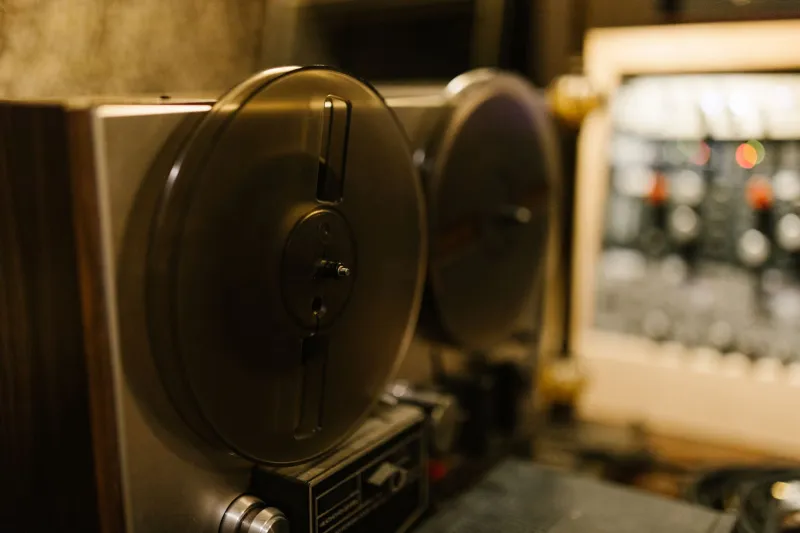
Somewhere in a climate-controlled storage facility outside Nashville, there are boxes. Hundreds of them. Inside those boxes: reels of magnetic tape from concert recordings that have never been heard outside a mixing booth, handwritten setlists with last-minute scratched-out song changes, and Polaroids of backstage moments that no camera crew was ever supposed to capture. For most of rock history, that stuff stayed locked away — sometimes by choice, sometimes by neglect, sometimes just because nobody got around to dealing with it.
That's changing fast.
Over the past few years, a quiet but unmistakable shift has swept through the rock world. Bands and their estates — from legacy acts who played Woodstock to arena rock staples of the '90s — are cracking open their archives and releasing the contents directly to fans through digital platforms, subscription vaults, and dedicated archive channels. The results have been, depending on who you ask, either a gift to music history or the most exciting thing to happen to rock fandom in a generation. Usually both.
What's Actually in These Archives?
The term "vault release" can mean a lot of different things. At the most polished end of the spectrum, you've got officially remastered live albums pulled from pristine multitrack recordings — the kind of thing that gets a proper rollout with liner notes and a vinyl pressing. But the more interesting material tends to be messier and more intimate.
Fans who've dug into recently opened collections describe finding things like handwritten setlists with margin notes in the guitarist's handwriting, arguing about whether to drop a song mid-tour. There are soundcheck recordings that accidentally captured a band working through a new arrangement that never made it onto any official release. There are video reels from festival backstage areas — shot on consumer-grade cameras in the '80s — that show the chaotic, unglamorous reality of life on the road in a way that no polished documentary ever captured.
Archivists who work with rock estates say the sheer volume of material that exists is staggering. "Most people assume that if something wasn't officially released, it was lost," says one independent music archivist who has worked with several major acts on digitization projects. "The reality is that a huge amount of material survived. It just sat in storage because nobody had the time, the budget, or the motivation to deal with it."
Why Now?
The timing isn't accidental. A few converging forces have pushed bands toward opening their archives at this particular moment.
Streaming economics play a role. Catalog revenue — money generated by older recordings — has become a significant income stream for legacy artists, especially as touring revenue has grown less predictable. A well-executed vault release can introduce a band's back catalog to a whole new generation of listeners while giving longtime fans a reason to re-engage. From a pure revenue standpoint, sitting on unreleased material is increasingly hard to justify.
But there's something more personal at work, too. A lot of the musicians who defined rock's golden era are in their 60s and 70s now. There's a real urgency around legacy — around making sure that the historical record reflects what actually happened, rather than whatever the official narrative became over the decades. "These guys watched other people tell their story for years," one band manager explained. "Opening the archive is a way of taking that back."
The rise of superfan culture has also created a ready audience. The kind of fan who would spend hours on a forum debating which 1978 festival performance of a particular song was the definitive version is now a well-documented demographic with real purchasing power. Labels and management teams have gotten much better at recognizing and serving that audience.
The Discoveries That Rewrote the Story
Some of the most significant vault releases haven't just given fans new music to enjoy — they've actively changed the way people understand rock history.
Consider the wave of late-'60s and early-'70s festival recordings that have surfaced in recent years. For decades, the conventional wisdom about certain iconic festival performances was shaped almost entirely by what made it into official live albums or documentary films. When more complete recordings started emerging, fans and historians discovered that the curated versions had sometimes painted a very different picture from what actually happened on those stages. Songs that were cut from official releases turned out to be extraordinary. Performances that were described as disasters in contemporary reviews turned out to be anything but.
More recently, several '90s alternative and hard rock acts have released extensive archives that capture a specific moment in American rock culture with remarkable clarity. Backstage footage from mid-decade festival runs shows bands navigating the weird intersection of MTV-era celebrity and the underground ethos that many of them still claimed. It's complicated, human, and fascinating in ways that official band histories rarely manage to be.
Superfans who've spent years building informal archives of bootleg recordings have found the official vault releases both validating and occasionally humbling. "You think you know everything about a band's live history," one dedicated collector told us, "and then they release something from a show you had no idea existed, and it just blows up everything you thought you knew."
What Gets Left Out — and Why
Not everything in the vault makes it to fans, and that's worth paying attention to. The curation decisions that shape a vault release are themselves a form of storytelling. Estates and management teams are not neutral parties — they have reputations to protect, narratives to maintain, and sometimes legal complications to navigate around personnel who are no longer with the band.
Archivists who work in this space are candid about the tension. "The goal is always to be as complete as possible, but there are real constraints," one said. "Sometimes it's contractual. Sometimes it's personal. Sometimes a surviving member just doesn't want certain footage out there." The result is that even the most comprehensive vault release is still a selection — still, in some sense, a managed version of history.
That doesn't make these releases any less valuable. It just means fans and historians should engage with them critically, the same way you'd engage with any primary source.
Preserving the Festival Legacy
For rock festival culture specifically, the vault release trend has particular significance. Festivals are ephemeral by nature — they exist for a weekend and then they're gone, leaving behind memories, photographs, and whatever recordings happened to get made. For a long time, the historical record of what happened at America's greatest rock festivals was thin, scattered, and heavily dependent on whoever happened to have a camera or a tape recorder in the right place.
The opening of professional archives is starting to fill in those gaps in a serious way. Festival performances that existed only as fragmentary bootlegs are being replaced by high-quality recordings that let you hear exactly what it sounded like to stand in front of that stage on that night. That's not a small thing. That's the difference between a rumor and a document.
For anyone who cares about rock history — and if you're reading this, you probably do — the vault era feels less like a trend and more like a reckoning. Decades of music, context, and raw human experience are finally making their way out of storage and into the world. What fans are finding inside isn't always what they expected. It's often better.