From Opener to Encore: The Hidden Architecture Behind a Headliner's Festival Set
From Opener to Encore: The Hidden Architecture Behind a Headliner's Festival Set
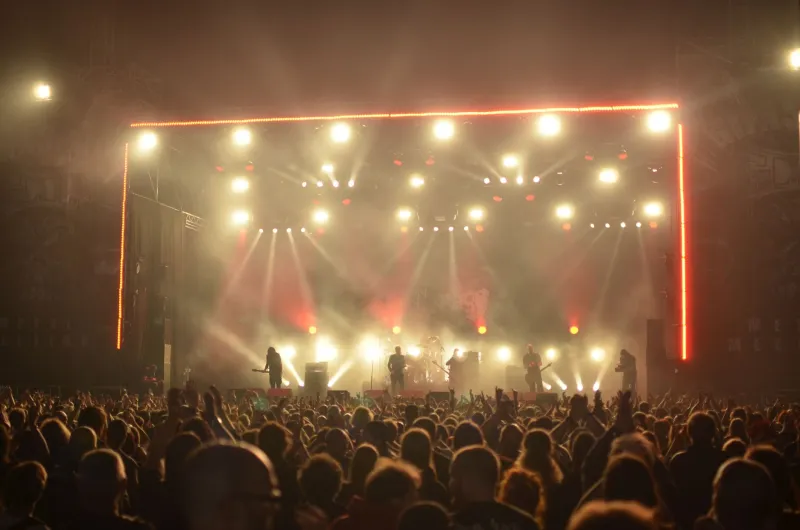
There's a moment — you've felt it if you've ever stood in a festival field at night — where a band hits a song and the entire crowd seems to exhale at the same time. Arms go up. Strangers look at each other. The air changes. That moment isn't an accident. It's architecture.
Building a headlining festival setlist is one of the most underappreciated crafts in live music. It sits somewhere between psychology, theater, and sports strategy — and the best bands in rock have spent decades quietly mastering it. We dug into touring accounts, fan-documented setlist data from sites like setlist.fm, and insights from musicians and production crew to understand exactly how acts like Foo Fighters, Pearl Jam, and Metallica turn a sequence of songs into something that feels like a religious experience.
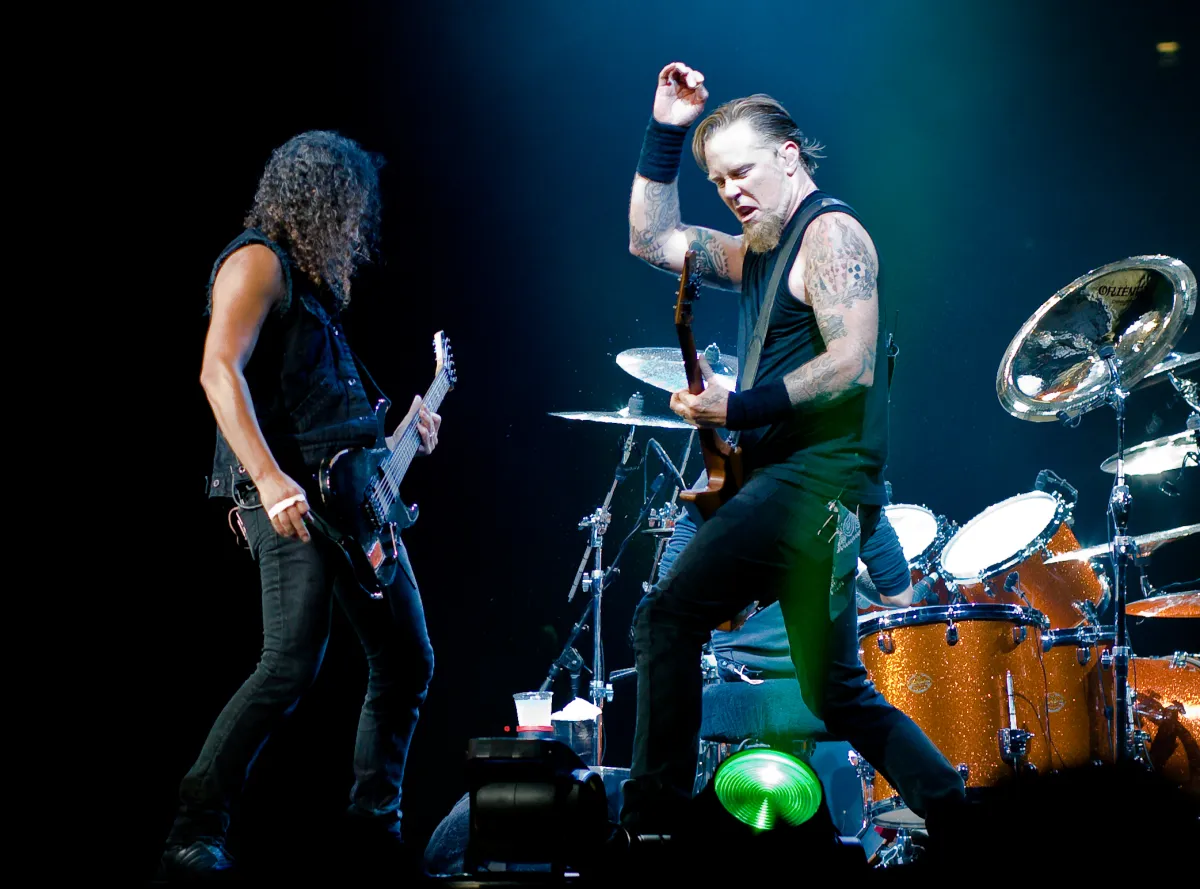 Photo: Metallica, via images4.alphacoders.com
 Photo: Pearl Jam, via www.creativefabrica.com
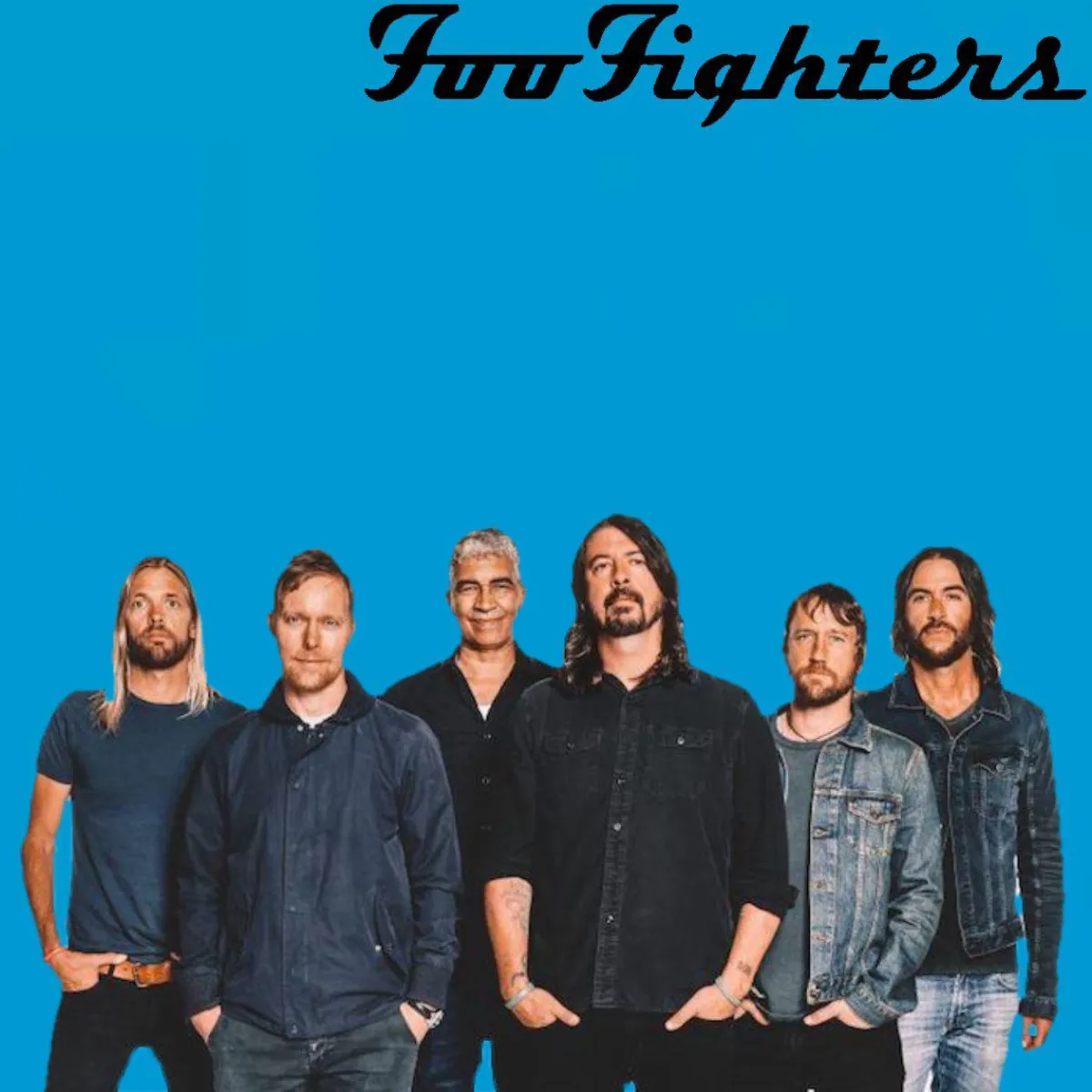 Photo: Foo Fighters, via i.redd.it
The Opening Salvo: You've Got 90 Seconds
Ask any touring production manager and they'll tell you the same thing: a festival headliner lives or dies in the first two songs. Unlike a dedicated headline tour — where the audience has bought a ticket specifically to see you — a festival crowd is a mixed bag. There are diehards who've been saving a spot near the stage for six hours. There are casual fans who wandered over after the previous set. And there are people who genuinely aren't sure if they're into this band yet.
The opening song has to collapse all three of those groups into one.
Foo Fighters have long understood this. Dave Grohl's crew has a near-religious commitment to opening with something that hits like a freight train — think "All My Life" or "The Pretender" — songs with immediate, physical impact. No slow builds. No album cuts that reward patience. The logic is blunt: festival stages are enormous, the sound takes a second to settle into the crowd's body, and you need a riff that works even if the mix isn't perfect yet in the back third of the field.
Pearl Jam takes a slightly different approach. Eddie Vedder and company are famous for rotating setlists almost entirely night to night, but for festival slots, that spontaneity gets quietly trimmed. Opening with something undeniable — "Given to Fly," "Even Flow," "Alive" — is less about playing it safe and more about planting a flag. You're in the right place. Stay.
The Valley: Engineering a Breathing Room
Here's something most casual fans don't consciously notice but always feel: about four or five songs in, great headliners let the crowd breathe. A slightly slower tempo. An album deep cut. A moment where the lights drop and it's just a guitar.
This isn't dead time. It's recalibration.
Metallica, who have become one of the most studied live acts in rock history, use this technique with almost clinical precision. After a brutal opening run — "Battery," "Master of Puppets," or whatever variation the night calls for — they'll slot in something like "The Unforgiven" or "Nothing Else Matters." The crowd's adrenaline has nowhere left to go up, so you bring it level before building again. It's the same principle a DJ uses when reading a room, just with guitars instead of decks.
One lighting director who has worked major US festival circuits described it this way: "The valley is where you let people get emotional instead of just physical. That's when you see people crying, texting their friends, pulling someone close. You need that or the whole set just feels like a workout."
The Festival Variable: Why the Set Changes When You're Not Headlining Your Own Tour
This is where things get genuinely interesting. Bands don't play the same setlist at a festival that they'd play on their own headline run — and the differences are more calculated than most people realize.
On a dedicated tour, you can afford to play the full album sequence. You can do the 25-minute closer. You can test a new song in the middle of the set and gauge the reaction without risk. Your audience is locked in.
At a festival, the contract often dictates a hard time limit — 75 minutes, 90 minutes, maybe 100 if you're the Sunday closer. More importantly, the audience has a different relationship with you. A portion of them might only know your three biggest songs. That changes the calculus entirely.
Sources close to several major touring acts have noted that festival setlists often get compressed toward the recognizable end of the catalog — not because bands are selling out, but because they're genuinely trying to earn the room. "You want every single person in that field to have at least three moments where they completely lose it," one touring guitarist put it. "On your own tour you can be more selfish. At a festival, you're performing for everyone."
The Surprise Slot: The One Moment Nobody Sees Coming
Every great festival set has one. A cover that nobody expected. A deep cut that makes the diehards in the front row lose their minds. A guest appearance. A song the band hasn't played in eleven years that some fan in the crowd has a tattoo of.
This isn't just fan service — it's strategic storytelling. The surprise slot is the moment that gets clipped, posted, and spread across social media by morning. It's the detail that people remember when they're telling the story of that night six months later. "And then they played—" is one of the most powerful sentences in live music.
Pearl Jam has built an entire mythology around this. Their commitment to unpredictable setlists means that even the surprise feels curated. Foo Fighters have brought out guests ranging from Paul McCartney to Zac Brown. Metallica's decision to occasionally drop a cover — Thin Lizzy, Misfits, Diamond Head — feels like a gift to anyone who knows where they came from.
The surprise slot also functions as a trust signal. It tells the crowd: we're not just going through the motions. We're actually here with you tonight.
The Closer and the Encore: Don't Waste Either
The finale of a great festival set does two things simultaneously. It has to feel like an ending — complete, earned, satisfying — and it has to feel like it could have gone on forever. That's a genuinely difficult needle to thread.
The encore structure has become almost ritualized in rock, and plenty of artists have questioned whether it still means anything. But at a festival, the encore carries a specific weight. The crowd hasn't just been waiting for this song — they've been at a festival all day. Their feet hurt. They're sunburned. They've had too many $14 beers. The encore has to justify all of it.
Metallica closing with "Enter Sandman" isn't lazy — it's a promise kept. Foo Fighters ending on "Best of You" or "Everlong" isn't predictable — it's a release valve for two hours of accumulated feeling. The best closers are the ones where the band and the crowd arrive at the same emotional destination at exactly the same moment.
That synchronization — that's the whole point. Every song choice, every tempo shift, every quiet valley and explosive peak in between has been quietly steering 80,000 people toward that single shared second.
And when it lands right? You already know what it feels like. That's why you keep coming back.