Boom Towns: The Hidden Economics of America's Rock Festival Host Cities

Photo by Photo by Carol Doane on Unsplash on Unsplash
Pull up the map of any major US rock festival and zoom out past the grounds. Past the parking lots and the shuttle routes and the campsite overflow areas. Keep going until you hit the town — the actual town, with its diners and its hardware stores and its one decent hotel that books up eleven months in advance.
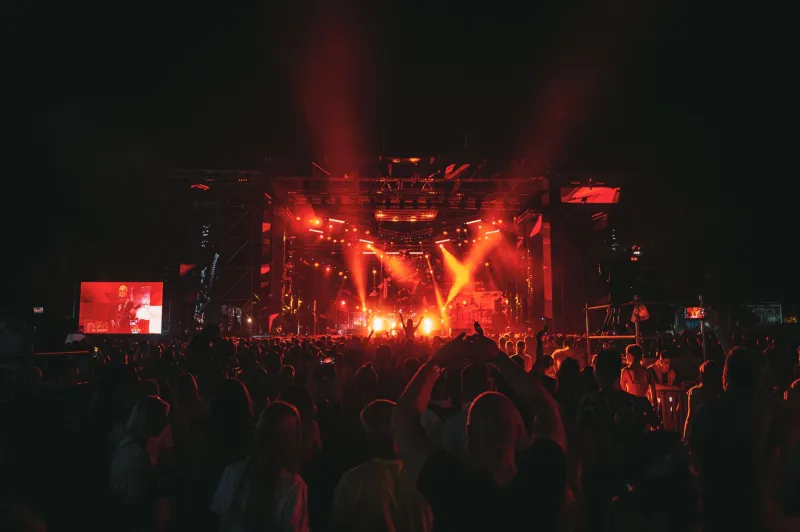
That town has a story that rarely makes it into festival coverage. It's not the story of the headliners or the surprise guests or the best set of the weekend. It's the story of what happens to a place when 40,000 people show up for 72 hours and then disappear.
It's a complicated story. And it's worth telling.
The Preparation Nobody Sees
For a small American city hosting a major rock festival, the event doesn't begin on Friday when the gates open. It begins months earlier, in city council meetings and conversations between local business owners and calls to staffing agencies and permit applications and infrastructure assessments that would make your head spin.
"We start planning in January for a July festival," says the owner of a restaurant in a mid-size Midwest town that hosts a prominent annual rock event. "Inventory, staffing, hours, security — all of it has to be figured out way ahead. You can't just wing it when you know 30,000 people are coming."
That lead time is essential because the supply chains that feed a festival weekend don't run themselves. Local grocery distributors, restaurant suppliers, and beverage wholesalers all see massive upticks in orders in the weeks before a festival. Temporary staffing firms get calls from businesses that normally run lean operations but need to triple their workforce for a single weekend.
In some towns, the festival weekend represents a larger staffing event than the Christmas retail season. Think about that for a second.
The Hotel Math
Let's talk numbers, because they're staggering when you lay them out clearly.
A mid-size American town with, say, 800 hotel rooms has a baseline occupancy rate that fluctuates with normal seasonal travel. During a major rock festival weekend, that occupancy rate hits 100% — and it hits it months in advance. Prices reflect that reality. Rooms that rent for $89 on a random Tuesday in June might run $350 or more for a festival weekend, and they'll be gone by February.
The revenue from a single festival weekend can represent a meaningful percentage of a hotel's annual income. For smaller properties — the family-owned motels and the bed-and-breakfasts that don't have corporate infrastructure behind them — that weekend can be the difference between a profitable year and a difficult one.
"Festival weekend pays for a lot of slow Novembers," says one B&B owner in a small Virginia town that sits near a well-known rock event. "I'm not going to pretend I don't plan my whole year around it."
Beyond the hotels themselves, the ripple effects run deep. Vacation rental platforms see massive regional spikes. Homeowners in a 20-mile radius list their properties. Parking lots that sit empty most of the year become temporary revenue sources. The economic footprint extends well beyond the festival grounds.
Main Street's Best Weekend
Walk through a festival host town on the Saturday of the event and you'll see something you don't see most weekends: every table full, every register busy, every parking spot taken. Restaurants that normally run two servers on a Saturday night are running eight. Bars that close at midnight stay open until 2 a.m. and still have lines at the door.
For locally owned businesses, this kind of concentrated demand is both a windfall and a logistical test. The kitchens that can handle it come out ahead. The ones that get overwhelmed sometimes end up with frustrated customers and mixed reviews that linger long after the festival crowd has gone home.
The smart operators have figured out how to specialize for the weekend. Limited menus that can be executed at volume. Pre-made items that move fast. Outdoor seating that expands capacity without requiring additional staff inside. Festival weekend has become a craft unto itself for the businesses that have been doing it long enough.
"The first year we hosted the festival, we were completely unprepared," admits the restaurant owner. "We ran out of half our menu by Saturday afternoon. Now we've got a festival menu that's been refined over seven years. Completely different operation."
The Infrastructure Investment
Not everything about festival economics is pure profit. Host cities often carry significant costs that don't always get factored into the rosy revenue projections.
Public safety is the big one. Police overtime, traffic management, emergency medical services — these all scale up dramatically for a major event. Some cities negotiate cost-sharing agreements with festival organizers. Others absorb the costs and bank on the tax revenue and long-term tourism benefits to offset them.
Road wear is another real consideration. Festival traffic — particularly truck traffic from production companies hauling in stages, sound systems, and infrastructure — can accelerate deterioration on roads that weren't built for that kind of load. The city of Manchester, Tennessee, which hosts Bonnaroo, has dealt with this reality for years and developed increasingly sophisticated infrastructure management around the event.
Waste management is a third cost that scales dramatically. The volume of trash generated by a major festival weekend can overwhelm municipal systems that aren't prepared for it. Cities that have been doing this for a while have built contracted solutions. Newer festival hosts sometimes get caught off guard.
The Long Game: Tourism Identity
Here's where the economics get genuinely interesting over a longer time horizon. Cities that successfully host major rock festivals don't just profit for one weekend. They start to build an identity around the event — one that generates tourism, media coverage, and cultural cachet that pays dividends year-round.
Indio, California, is the clearest example. Before Coachella, it was a mid-size desert city with a modest tourism profile. Two decades of hosting one of the world's most prominent music festivals has transformed how the city is perceived, invested in, and visited. The festival created infrastructure — hotels, restaurants, transportation — that serves the region all year.
Smaller-scale versions of this dynamic play out across the US. Towns that were effectively invisible on the national map have built genuine tourism identities around their annual rock events. The festival becomes the story the town tells about itself.
"People know our town because of the festival," says a city planner in a small Southern town that hosts a growing rock event. "That name recognition has value we couldn't have bought with a marketing budget."
72 Hours That Change Everything
The music stops, the stages come down, and the town goes quiet again. The restaurants hire back down. The hotels return to their normal rates. The parking lots empty out.
But the money stays. And so does something harder to quantify — a sense that for one weekend a year, this town was the center of something bigger than itself. That feeling keeps the local businesses investing, keeps the city council renewing permits, and keeps the whole operation running year after year.
Rock festivals need towns. It turns out towns need them right back.