No Brown M&Ms and Beyond: The Wild, Weird, and Surprisingly Logical World of Rock Festival Riders
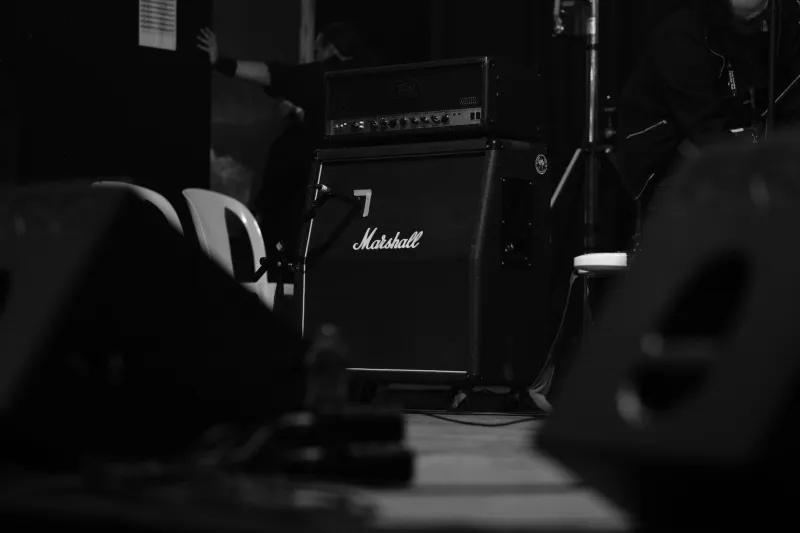
Before the lights drop and the crowd surges forward, before the first monitor mix is dialed in or the first guitar is plugged into a wall of Marshall stacks, there's a document sitting on a production manager's desk that has already set the tone for everything that follows. It's the rider — part technical manual, part wish list, part psychological portrait — and if you've never read one, you're missing one of rock's most revealing backstage dramas.
Festival veterans will tell you: the rider is where you find out who an artist really is.
The Brown M&Ms Weren't About Candy
No conversation about riders starts anywhere other than Van Halen's now-legendary clause buried deep inside their 1982 tour contract: a full bowl of M&Ms, with every brown one removed. It reads like a rock star tantrum. It was actually something closer to genius.
David Lee Roth explained it himself years later. Van Halen's production requirements at the time were genuinely complex — massive lighting rigs, pyrotechnics, stage setups that could cause serious injury if assembled incorrectly. The M&M clause was a canary in a coal mine. If promoters couldn't be bothered to pull out the brown candies, the band had immediate reason to suspect the more critical technical specs hadn't been followed either. It was a quality-control mechanism dressed up as a diva demand.
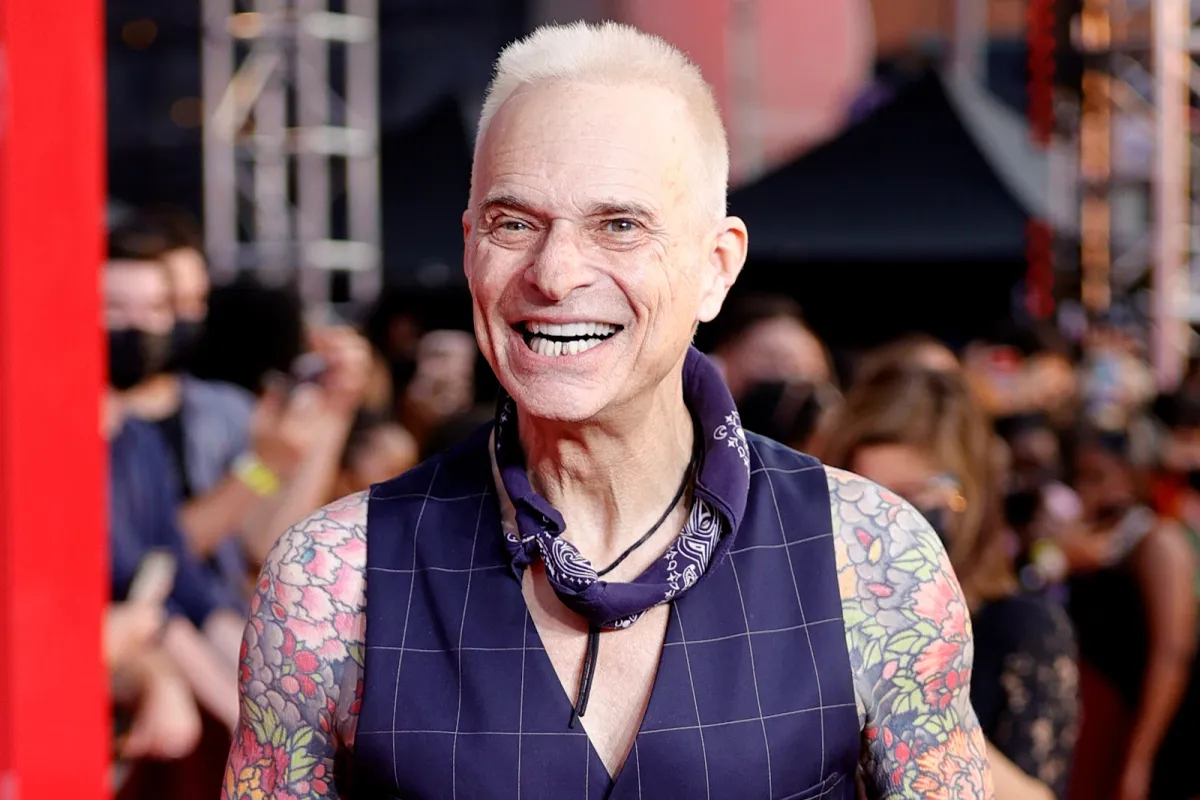 Photo: David Lee Roth, via townsquare.media
"That story changed the way I read every rider that crossed my desk," says one veteran production manager who has worked festivals from Bonnaroo to Download. "You stop asking 'what does this band want?' and start asking 'what is this band actually telling me?'"
What's Actually in a Rider
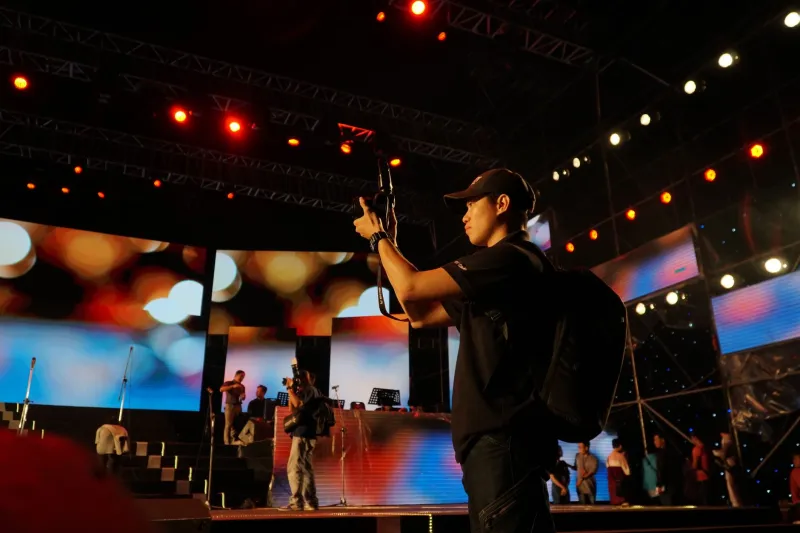
A full festival rider typically breaks into two distinct sections. The technical rider covers the stuff that keeps a show alive — stage dimensions, power requirements, PA specs, monitor configurations, lighting rig details, and crew counts. This section is non-negotiable and, frankly, where most of the real tension lives. The hospitality rider is the part that makes headlines.
Hospitality riders can run anywhere from a single page to a document thick enough to double as a doorstop. Iggy Pop's famously leaked rider from the early 2000s requested, among other things, seven dwarves in full costume to greet him backstage — a line item that has never been fully confirmed but has taken on a life of its own in festival lore. Foo Fighters have been known to request full catering spreads that could feed a small neighborhood. Guns N' Roses' peak-era riders reportedly included Cristal champagne, a case of Dom Pérignon, and a specific brand of kitty litter for a touring cat.
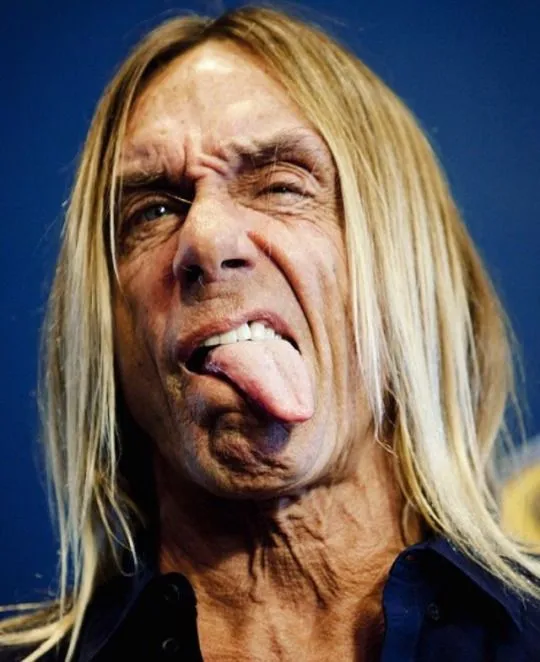 Photo: Iggy Pop, via i.pinimg.com
More recently, the requests have evolved. Today's headliners are just as likely to demand organic cold-press juice bars, air purifiers, vegan meal stations, and specific thread counts on tour bus bedding as they are to ask for a bottle of Jack Daniel's and a pack of Marlboros. The rock rider has grown up, even if it hasn't entirely lost its edge.
The Power Play Nobody Talks About
Here's the thing festival organizers rarely say out loud: the rider negotiation is a power dynamic, and everyone at the table knows it.
When a headliner's management sends over a 47-page rider two weeks before a festival, they're not just listing preferences. They're establishing leverage. Festival organizers who desperately need that headliner's name on their poster will absorb costs that would make their accountants weep. A production coordinator at a major Midwest festival — who asked not to be named — described receiving a rider that required a specific brand of Italian sparkling water that had to be flown in from out of state. "We did it," she said simply. "Because you do."
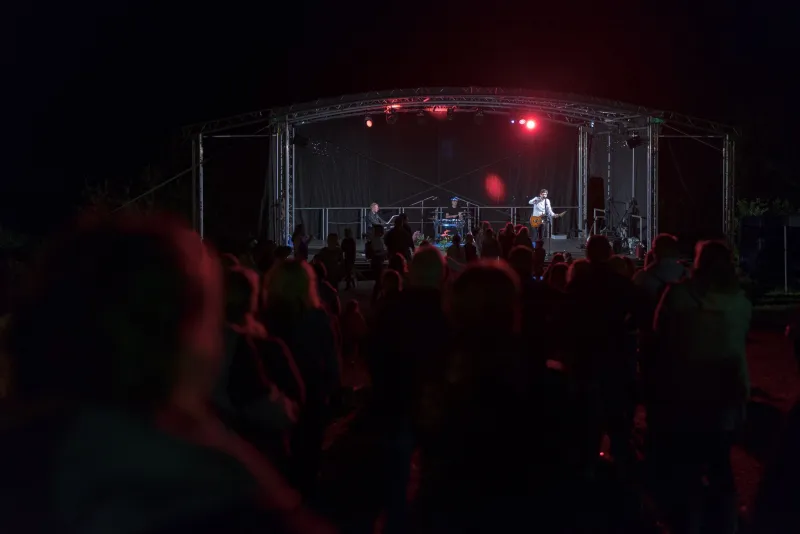
Smaller festivals, however, are where things get genuinely complicated. Acts that headline a 50,000-capacity event on the coasts may carry riders built for that scale into weekend festivals drawing 8,000 people in the middle of Tennessee. Production staff at these events often spend more time negotiating rider concessions than they do on actual logistics.
"You have to learn how to have that conversation without making the artist feel like they're being diminished," says one regional festival production director. "You're essentially saying, 'We can't give you everything on this list,' and that's a delicate thing to communicate to someone who's used to getting everything on the list."
What Today's Riders Reveal
If Van Halen's brown M&Ms were about control and precision, the riders of today's rock headliners tell a different kind of story. Wellness culture has infiltrated the backstage world in a big way. Requests for meditation spaces, specific lighting temperatures in green rooms, essential oil diffusers, and gluten-free everything have become commonplace even among acts whose public image is built on chaos and volume.
That's not hypocrisy — it's sustainability. Artists who tour major festival circuits are running what amounts to a small traveling corporation, and keeping that machine healthy across a summer of back-to-back dates requires infrastructure that would have seemed absurd to a 1970s road crew living on gas station food and adrenaline.
There's also the matter of safety riders, which have expanded dramatically in the post-pandemic era. Backstage COVID protocols, ventilation requirements, and crew health policies now occupy sections of riders that didn't exist five years ago.
The Requests That Stick With You
Every production veteran has a story they tell at the bar after the gear is packed and the crowd has gone home. A rider requesting that all backstage staff wear a specific color of clothing so the artist wouldn't have to look at anyone dressed in red. A demand for a custom-painted piano that had to be repainted after soundcheck because the color "wasn't right in that light." A fully operational batting cage assembled inside a festival venue for a band whose lead singer had apparently taken up baseball.
These stories circulate through the festival world like folklore, passed from crew member to crew member across years and venues. They're funny in retrospect. In the moment, they're just Tuesday.
Why It All Matters
It's easy to read rider stories as evidence of rock star excess — and sometimes, honestly, that's exactly what they are. But the rider system, strange as it looks from the outside, is also one of the mechanisms that allows massive live events to function at all. When it works, it's a detailed communication tool between artists, management, and the production teams responsible for making the impossible look effortless.
And when it doesn't work — when the brown M&Ms are still in the bowl, when the sparkling water is the wrong brand, when the stage dimensions are two feet short of spec — you find out real fast whether a show is going to happen the way it was planned.
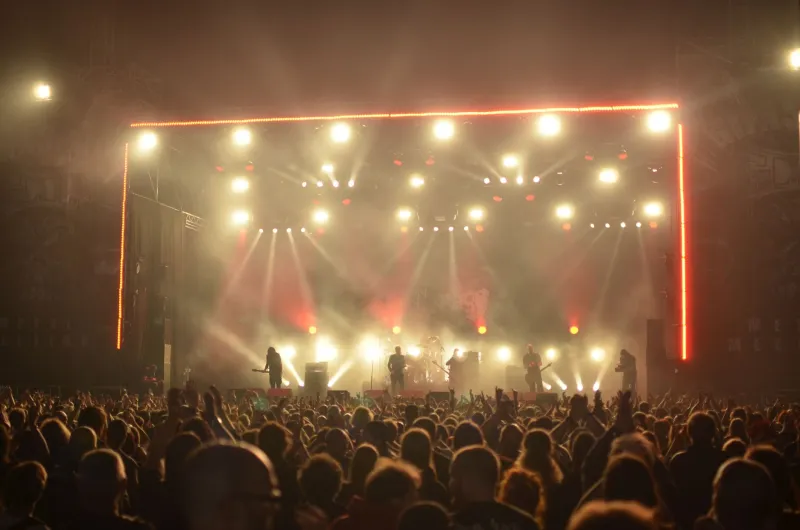
Next time you're standing in that festival field watching a headliner tear through their set, know this: somewhere behind that stage, a production manager is silently exhaling because every item on a very long, very specific list has been checked off. The rider was honored. The show can go on.