Same Stage, Same Songs, Same Story: When Rock's Greatest Bands Stop Evolving and Start Cashing In
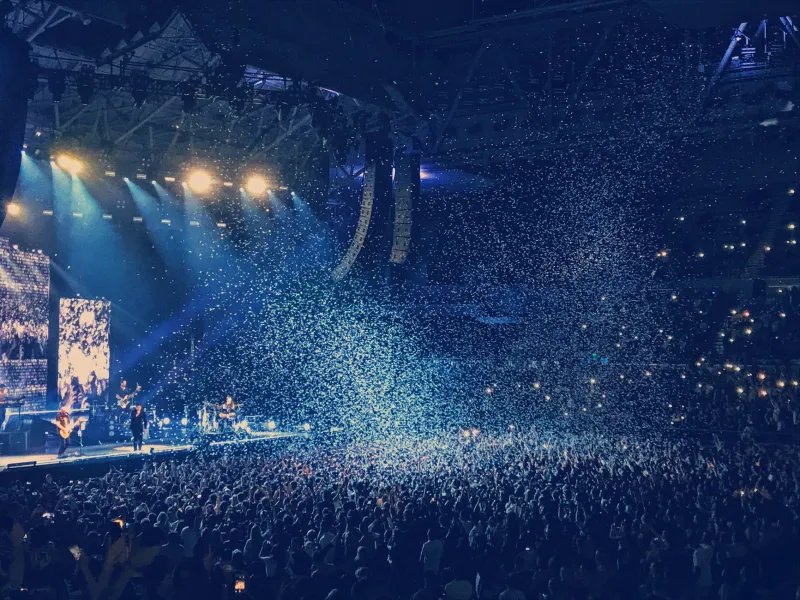
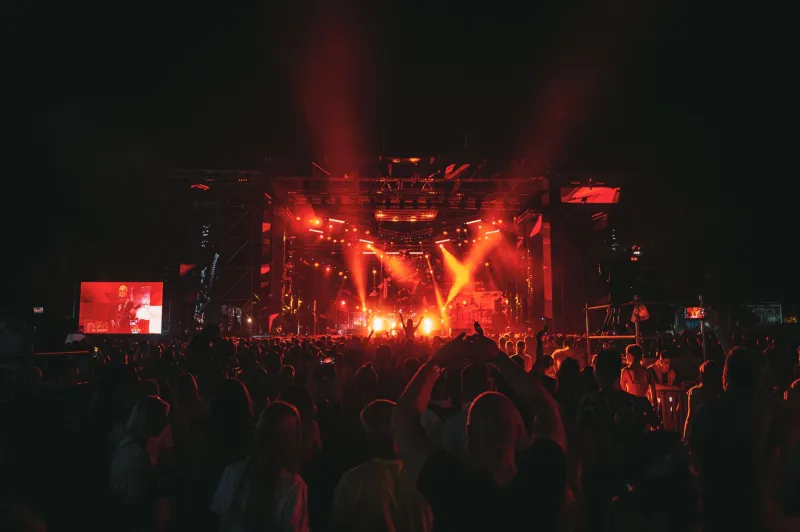
Somewhere in the American rock festival calendar, there are slots so predictable that programmers could book them in their sleep. The same legendary act, the same general setlist, the same thunderous reception from a crowd that knows every word — and has known every word since the Clinton administration.
There's nothing inherently wrong with that picture. Legacy acts exist for a reason. Their songs are great, their stagecraft is honed to near-perfection, and the emotional experience of hearing certain records performed live never fully loses its power. But there's a difference between a veteran band that earns its headline slot every single time and one that's simply become a fixture — a comfortable, bankable, creatively inert fixture that festivals lean on because the alternative requires actual risk.
That distinction is getting harder to ignore.
The Economics of Familiarity
Understanding why rock legends keep returning to the same festivals requires understanding how festival economics actually work. Headliner slots at major US events — the Coachellas, Lollapaloozas, and Bonnaroos of the world — are not booked on the basis of artistic momentum alone. They're booked on the basis of ticket sales, and ticket sales correlate directly with name recognition.
A band that headlined a festival in 2014, 2018, and 2022 isn't just a returning act. It's a proven revenue driver. Festival promoters know exactly how much that name moves in presale numbers, how much it drives media coverage, and how reliably it fills the main field at 10 p.m. on a Saturday. That's not an artistic calculation — it's a financial one, and it tends to win.
On the band's side, the incentives are equally clear. Festival fees for top-tier headliners can reach seven figures for a single performance. A band that has stopped generating significant new revenue through album sales or streaming can replace much of that income through a well-managed festival circuit rotation. Play the right five or six festivals per summer, keep the production costs reasonable, and the economics are genuinely hard to argue with.
What gets lost in that transaction is creative urgency.
Loyalty Contracts and the Comfort Trap
Multiple industry sources describe a practice that rarely gets discussed publicly: informal exclusivity arrangements between festivals and their most reliable headliners. These aren't always legally binding contracts, but they function as understood agreements — a band commits to returning within a certain window, the festival commits to maintaining their billing position and fee structure, and everyone stays comfortable.
The problem is that comfort and creative growth are often in direct tension with each other.
"When you know you've got a slot waiting for you, the pressure to develop new material drops significantly," one veteran rock manager explained. "Why take the risk of debuting an album that might not land when you can play the hits to a guaranteed crowd? The festival circuit, for some bands, has become a reason not to evolve."
This dynamic shows up clearly when you map setlists over time. Several legacy acts that headline the US festival circuit regularly have played virtually identical sets — same songs, same sequence, same stage banter — across multiple festival cycles. The performance quality remains high. The creative stakes remain essentially zero.
What the Data Looks Like
Setlist tracking sites and fan communities have made it increasingly easy to document this pattern. Certain bands that hold recurring headliner status at major US festivals have played the same core 18-song set with only two or three variations for upward of five years. New albums, when they arrive, often receive minimal representation in live sets — a token one or two tracks before the band retreats to the material it knows will land.
This isn't purely a legacy-act phenomenon. Some bands in their 30s and 40s have already locked into festival-circuit autopilot, building a reputation for reliability that quietly calcifies into predictability. The crowd still shows up. The reviews are still positive. The machine keeps turning.
For rock festival culture as a whole, though, the cumulative effect is a main stage that increasingly looks backward rather than forward — a greatest-hits compilation of a genre rather than a living, evolving art form.
The Counter-Argument: Veterans Who Still Surprise
To be fair to the bands in question, not every legacy act on the circuit has traded ambition for comfort. There are genuine outliers — veteran rock artists who continue to use festival appearances as opportunities to challenge themselves and their audiences.
Some acts have used headline slots to debut significant portions of new albums, trusting that their audience will follow them somewhere unfamiliar. Others have restructured their production, reimagined arrangements, or incorporated unexpected collaborators in ways that make even familiar songs feel genuinely new. A few have deliberately taken smaller festival slots — secondary stages, earlier time slots — specifically to shake off the predictability that comes with headline billing.
Those artists tend to share a common trait: they're still making creative decisions based on what excites them rather than what protects their market position. That's a harder thing to sustain over decades than it sounds, and the ones who manage it deserve genuine credit.
The Audience's Role in All of This
It would be too easy to place all of this on the bands and the promoters. Festival audiences are active participants in the cycle. The same fans who privately complain about predictable lineups are often the ones who buy tickets the moment a beloved legacy act is announced — and who would feel genuinely cheated if that act showed up and played an experimental set instead of the classics.
There's a real tension between what fans say they want from rock festivals and what they actually respond to with their wallets. Promoters and bands read that tension clearly, and they respond to the financial signal rather than the aspirational one.
Breaking the cycle probably requires all three parties to take a risk simultaneously — festivals willing to book legacy acts in contexts that create genuine artistic pressure, bands willing to accept that discomfort, and fans willing to show up for something they haven't already heard a thousand times.
Legacy or Liability?
The question isn't whether rock's greatest bands have earned their place on the festival circuit. Most of them have, many times over. The question is whether occupying that place year after year, set after set, without meaningful evolution, ultimately serves the music or just the machine built around it.
A legacy is supposed to be something you build. At a certain point, it can start to feel like something you hide behind. The festivals that figure out how to honor rock history while still demanding something new from the artists they platform — and the bands brave enough to meet that demand — are the ones worth paying attention to.
Everyone else is just running the greatest hits.